

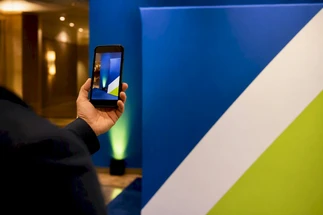
Shipped in Two Days: Best Photo Ready Step and Repeat for Event Buyers
Posted by Deeder Dandenhorf on Aug 31st 2026
Shipped in Two Days: Best Photo Ready Step and Repeat for Event Buyers
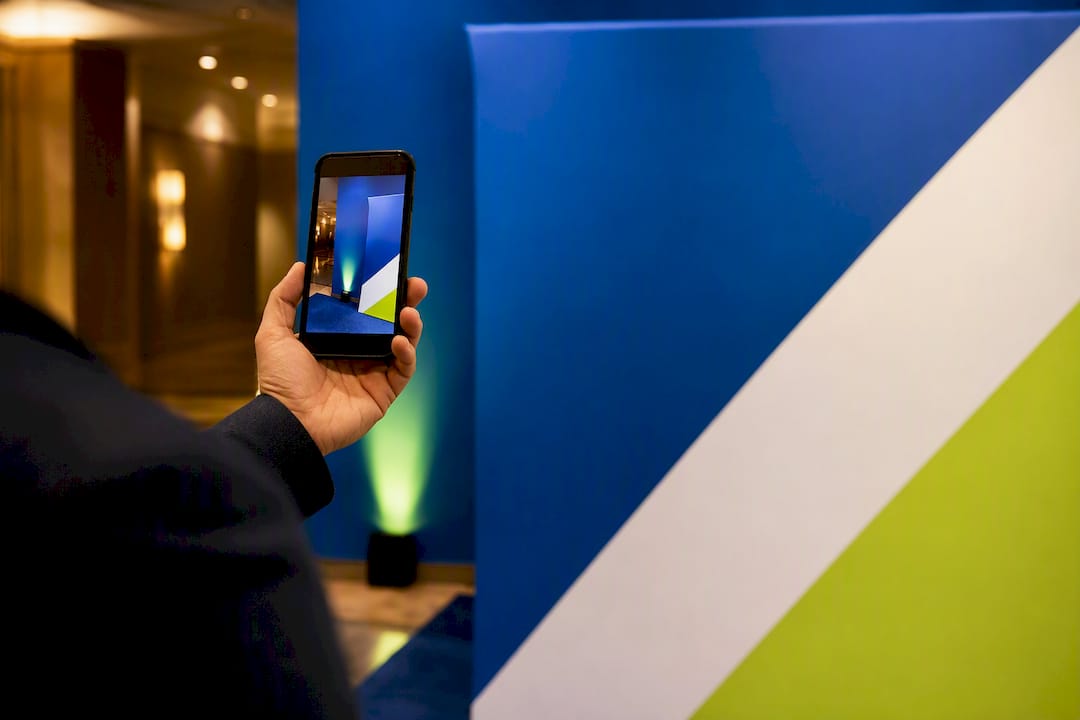
For most events, a matte dye-sublimation fabric step and repeat mounted on a tension or SEG frame delivers sharp photos and good repeat use, while vinyl on a pipe-and-drape frame stays the smarter pick for a single outdoor event exposed to weather. An 8x8 fabric backdrop covers most single-brand activations; step up to 8x10 for groups. Once you’ve settled on material and size, the real work happens in the file specs, so keep reading before you send anything to print.
TL;DR:
- Reusable tension-fabric kits are cost-effective options for multiple events, often paying for themselves after around four or five uses.
- An 8x8 backdrop suits solo or small group photos, while 8x10 covers groups of four to six, and larger formats like 10x20 are needed for big groups or press lines.
- Proper setup requires a flat, level surface and tensioning fabrics evenly to prevent wrinkles, with pre-event checks for straightness via phone photos.
- For outdoor or humid conditions, vinyl backdrops resist weather but may cause glare under flash, while fabric is best indoors for photo clarity.
- Confirming logo size, placement, and file resolution with your printer ensures logos are legible and visually balanced in photos, vital for brand visibility.
Table of Contents
- Which Step and Repeat Setup Fits Your Event?
- What Print Specs Should You Demand From Your Printer?
- What Size Step and Repeat Do You Need?
- Fabric or Vinyl: Which Material and Frame Should You Choose?
- How Much Does a Step and Repeat Banner Cost?
- How Do You Set Up a Step and Repeat So It Stays Straight?
- How Should You Transport and Store Your Step and Repeat?
- How Do You Maintain a Step and Repeat Between Events?
- Why Photo-Ready Specs Matter More Than Brand Guidelines
- Get Your Step and Repeat Printed and Shipped in Two Business Days
- Sources
- FAQ
Which Step and Repeat Setup Fits Your Event?
Not every event needs the same rig. Matching the format to your use case saves money and prevents the awkward moment when a backdrop wrinkles behind your best photo of the night.
- SEG or tension-fabric frames: The strongest pick for brands doing repeat activations. They pack into a bag roughly the size of a golf club case and photograph dead flat, since the fabric pulls taut across the frame edges.
- Pipe-and-drape with a printed fabric graphic: The budget-friendly option for a one-night event. Watch for ripples along the bottom edge if the drape hardware isn’t tensioned correctly.
- Rigid or hard-frame builds: The premium choice for multi-day conferences or a signature “hero wall.” Expect a heavier shipping crate and a bigger invoice, but also the flattest, most polished surface money buys.
- Vinyl on a framed system: Best when rain or humidity is a real possibility. Choose matte vinyl over gloss, since gloss throws back camera flash and turns half your sponsor logos into glare spots.
For Arrowhead Sign Company - Signs, Banners and Trade Show Displays customers, the mapping is straightforward: the 10 ft stretch fabric display works as a tradeshow hero wall for repeated activations, the Outdoor Banner Frame - The Banner Bar handles outdoor framed prints when weather is a factor, and the Signicade Deluxe A-Frame Sidewalk Sign covers quick, single-print outdoor promotions near an entrance or sidewalk.
Pro Tip: If you’re running more than three activations a year, price out a tension-fabric kit against what you’d spend renting pipe-and-drape each time. The math usually favors buying once you clear four or five events.
What Print Specs Should You Demand From Your Printer?
A backdrop that looks fine on a screen can fail badly in a photo crop. These are the specs worth confirming before you approve a proof.
- Logo height: Run 12 to 18 inches tall for a single-brand hero mark on an 8x8 backdrop. Drop to 8 to 14 inches when you’re tiling multiple sponsor logos, and adjust down further for logos with heavier visual weight so they don’t dominate lighter ones nearby, per Custom Flag Supply’s design guidance.
- Staggered grid: Offset every other row by 50 percent. This keeps a photographer’s tight crop from landing on two stacked copies of the same logo, a common failure point on backdrops laid out in a straight grid.
- Photo zone placement: Keep full, undamaged logos concentrated in the band running from waist height to just above head height, since that’s where faces land in almost every event photo.
- Safe margins and bleed: Leave 2 to 3 inches of hem allowance, and keep anything critical, like a logo edge or tagline, out of the outer 6 inches of the panel.
- File formats: Send vector logo files (EPS, AI, or PDF) whenever possible. Raster images need to come in at your printer’s recommended resolution or they’ll look soft once blown up to banner size.
An 8x8 backdrop typically holds 12 to 20 logo impressions depending on how you size and space them, which is worth knowing before you promise a dozen sponsors equal billing on one panel.
Before signing off on full production, ask for a scaled mock-up or a printed tile test. Custom Flag Supply recommends testing the layout at 50 percent scale and printing a full-size proof of one tile to confirm logos stay legible in a phone crop, and insisting on a matte finish for any event where flash photography is expected.
What Size Step and Repeat Do You Need?
Standard height sits at 8 feet across nearly every format. Width is where you make the real decision, and it should track your expected group size rather than whatever looks impressive on a spec sheet.
- 8x8: The default for solo shots, couples, and trios. Handles most brand activations and press check-ins without crowding.
- 8x10: Better for groups of four to six, since the extra width keeps everyone in frame without shrinking the logo pattern behind them.
- 10x20 or wider: Reserved for press lines and larger group photos where multiple people pose at once.
Here’s the math on logo repeats: on a 10x8 fabric panel, plan for roughly five logos per row at 12 to 14 inches wide, spaced 6 to 12 inches apart, with every other row offset by half a logo width. That layout typically yields 18 to 28 logo impressions across the full panel, depending on final sizing.
If you’ve got more sponsors than space, resist the urge to shrink every mark until it’s unreadable. Rotate sponsors across multiple backdrops or across different events instead. A logo too small to identify in a photo is wasted ad space, no matter how many times it repeats.
Fabric or Vinyl: Which Material and Frame Should You Choose?
Material choice comes down to one question: is this backdrop getting photographed indoors under flash, or is it sitting outside where weather is a factor?
- Matte dye-sublimation polyester fabric: The standard for photo events. It diffuses camera flash instead of bouncing it back, folds down small enough to fit a carry bag, and steams smooth on site if it picks up wrinkles in transit.
- Vinyl: More durable against rain and wipes clean easily, which makes it the better call for outdoor or wet-weather single events. The tradeoff is glare risk under flash and a tendency to hold creases when rolled tightly.
- Telescoping stands: Fastest to set up, good for a quick single-panel display.
- Pipe-and-drape: The common rental option, economical for a one-night event.
- SEG frames: Deliver a taut, premium look and are worth the extra cost for a signature backdrop.
- Rigid frames: Built for architectural, multi-day setups where the backdrop stays up for the full run of a conference.
Pack size and freight cost climb fast once you move from fabric to rigid builds, so factor shipping into your budget alongside the print price itself. Related setups and photo examples are covered in our guide to promotional backdrop displays.
Pro Tip: Ask your printer about the edge finish before you order. Pole pockets suit telescoping stands, grommets work for pipe-and-drape, and a silicone edge is required for true SEG tension frames. Getting this wrong means a backdrop that doesn’t fit the hardware you already own.
How Much Does a Step and Repeat Banner Cost?
Budget depends heavily on format and how many times you plan to reuse the piece. Eventfab’s pricing data puts an 8x8 pipe-and-drape kit at $400 to $800 for a single-night rental or basic kit, an 8x10 tension-fabric reusable kit at $1,200 to $2,200, and hard-frame hero walls starting around $3,500 and climbing from there for custom builds.
- Fabric and tension-frame graphics: 7 to 14 business days
- SEG/tension frame hardware: 10 to 14 days
- Custom rigid fabrication: 3 to 4 or more weeks
Reuse changes the math considerably. A $2,000 tension-fabric kit used across five events works out to $400 per event, which often beats renting a fresh pipe-and-drape setup each time. Eventfab notes that buyers running multiple activations a year typically hit that break-even point faster than they expect.
Rush production is available almost everywhere, but plan for a 20 to 50 percent surcharge and a narrower choice of materials and frames. Our quick turnaround printing guide walks through what’s realistic when you’re working against a tight date.
How Do You Set Up a Step and Repeat So It Stays Straight?
A backdrop that leans, sags, or ripples undercuts even the best print job. Setup problems are almost always avoidable with a few basics.
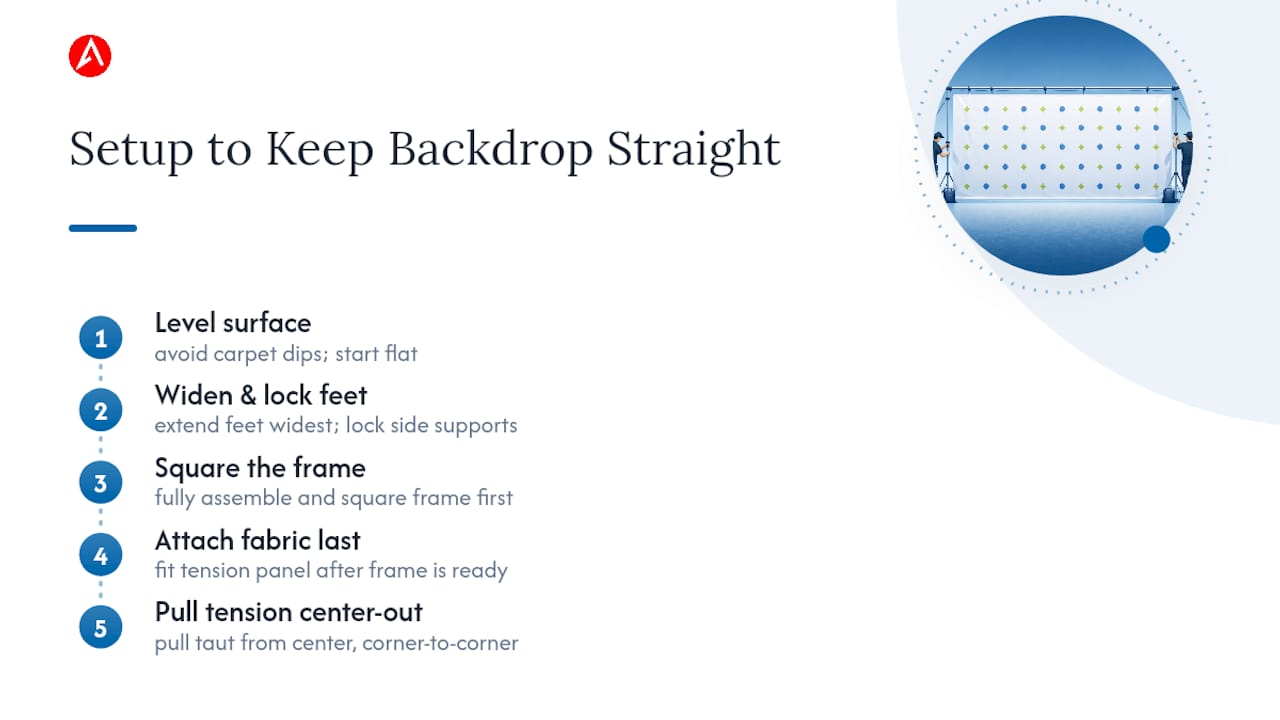
Start with a flat, level surface. Carpeted convention floors hide dips that show up instantly once the frame is standing and the fabric is under tension. Extend the frame’s feet to their widest stable position before you attach the graphic, and check that both side supports are locked before letting go.
Tension-fabric panels need to go on last, after the frame is fully assembled and squared. Pull the fabric taut from the center outward, working corner to corner, rather than cranking down one side first. Uneven tension is the most common cause of visible wrinkles in event photos.
For pipe-and-drape setups, weight the base plates, especially near doors or HVAC vents where a draft can rock the whole structure over the course of an evening. Indoors, a small sandbag or water-filled base on each foot solves most stability complaints.
Give yourself time to walk 10 to 15 feet back and check the panel through a phone camera before guests arrive. What looks straight standing next to the frame can read crooked in an actual photo, and it’s much easier to fix before the first photo gets taken than after.
How Should You Transport and Store Your Step and Repeat?
Fabric backdrops fold into a carry bag roughly the size of a duffel, which makes them airline-friendly and easy to store in an office closet between events. Fold along the same crease lines every time rather than improvising new folds, since repeated folding in the same spots keeps wrinkles predictable and easy to steam out on site.
Rigid frame panels are a different story. They typically ship in a hard case or crate, and that case is worth keeping rather than tossing after the first event. Reordering a custom crate later costs more than most people expect, and a panel shipped loose is far more likely to arrive scuffed or bent at a corner.
Store everything somewhere dry. Humidity is harder on vinyl than most people assume, since trapped moisture between folded layers can encourage mildew spots that show up as discoloration weeks later. A climate-controlled storage unit or an interior closet beats a garage or storage shed in most climates.
Label the bag or case with the event name and date before you pack it away. It sounds unnecessary until you’re digging through four identical black bags an hour before a rescheduled event, trying to figure out which backdrop still has last year’s sponsor logos on it.
How Do You Maintain a Step and Repeat Between Events?
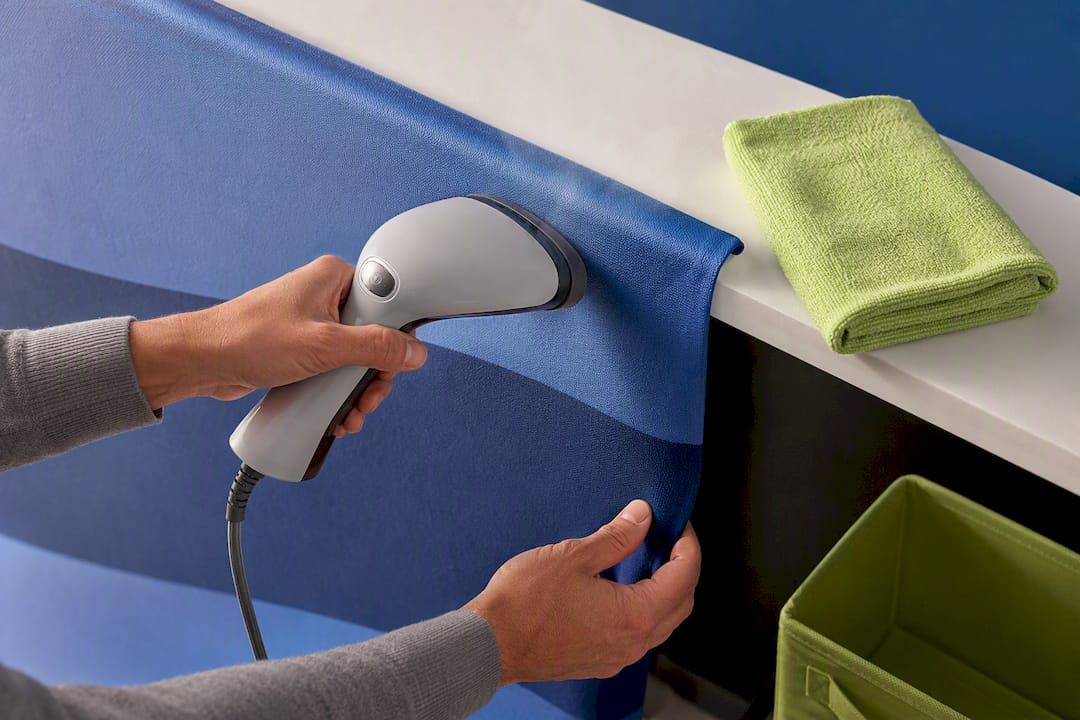
Fabric panels handle cleaning better than most buyers expect. A damp cloth with mild soap lifts most smudges and light stains, and a low-heat steamer or handheld garment steamer smooths out fold lines picked up in transit. Skip harsh solvents. They can dull the matte finish that makes fabric the better photographic surface in the first place.
Vinyl wipes clean with basically any household cleaner, which is part of why it survives outdoor events better than fabric does. Avoid rolling vinyl while it’s still damp, since trapped moisture between layers is a common cause of mildew spotting on panels stored for months between uses.
Frames need less attention but shouldn’t be ignored. Check tension-frame edges and SEG channels periodically for wear, since a stretched or frayed edge track eventually lets the fabric go slack in one corner. A loose frame joint on a telescoping stand is worth tightening the moment you notice it wobble, rather than waiting until it fails mid-event.
Inspect every panel before it goes back into storage, not just before the next event. Catching a small tear or a loosening grommet early means a quick repair instead of a rush reorder the week before your next activation.
Why Photo-Ready Specs Matter More Than Brand Guidelines
Most brand style guides were written for business cards and websites, not for a backdrop that’s going to be photographed a hundred times in one night under flash. That gap causes more failed step and repeats than bad printing ever does. A logo that reads perfectly on a letterhead can disappear entirely in a phone photo if it’s the wrong size, positioned in the wrong band, or printed in a finish that throws back light.
The conventional advice to “just use your logo file” ignores how differently a mark behaves at 14 inches versus 1.5 inches, and how differently fabric behaves under flash compared to a monitor. Buyers who treat the backdrop as advertising real estate rather than a formality tend to get dramatically better results for the same or lower cost, simply because they specify size, spacing, and material correctly the first time.
Arrowhead Sign Company - Signs, Banners and Trade Show Displays builds trade show displays and signage for exactly this kind of buyer: someone who needs a photo-ready product delivered fast, not a lecture on design theory. Most products ship within two business days, and customers in Arizona get direct delivery to their venue, which matters when a backdrop needs to be standing and steamed smooth before doors open. The product lineup maps cleanly to the formats covered here — from the 10 ft stretch fabric display for repeat tradeshow use to the Outdoor Banner Frame for weather-exposed setups and the Signicade Deluxe A-Frame for quick outdoor prints.
— Dan
Get Your Step and Repeat Printed and Shipped in Two Business Days
Arrowhead Sign Company - Signs, Banners and Trade Show Displays is built for exactly the buyer this guide is written for: someone who needs a photo-ready backdrop specified correctly, printed on the right material, and shipped fast enough to actually make the event date. Where a generic print shop leaves you guessing on logo sizing and safe zones, Arrowhead’s team works from the same specs covered above, matte dye-sublimation fabric for photo events, correctly staggered logo grids, and matched frame hardware, so what arrives at your venue is the backdrop you actually planned for.
Most orders ship within two business days, and Arizona-based customers get direct delivery to their event venue rather than a box left at the front desk. If you’re weighing a tension-fabric hero wall against a simpler outdoor frame, browse the 10 ft stretch fabric display or the Outdoor Banner Frame - The Banner Bar and get a quote built around your event date. For brands planning how the finished photos get used afterward, pairing your backdrop strategy with strong event slogans and captions helps the same photo work harder across social media once the event wraps.
Sources
- How to Create a Step-and-Repeat Backdrop Banner for Events - Custom Flag Supply
- Step-and-Repeat Banner Sizes: A Complete Guide for Branded Photo Walls - Eventfab
- Step-and-Repeat Backdrop Sizes (+ Logo Spacing Rules) - Kapa99
FAQ
What Makes a Good Step and Repeat?
A good step and repeat uses correctly sized, staggered logos concentrated in the waist-to-head photo zone, printed on a matte material that won’t glare under flash. Layout testing at 50 percent scale before full production catches sizing problems before they hit the final print.
What Is the Best Size for a Step and Repeat Banner?
An 8x8 backdrop suits solo shots, couples, and trios, while 8x10 fits groups of four to six people comfortably. Press lines and large group shots typically need 10x20 or wider.
Where Can I Find the Best Step and Repeat Banners?
Look for a printer that specifies logo sizing, staggered grid layout, and photo-zone placement rather than just taking your logo file as-is. Arrowhead Sign Company - Signs, Banners and Trade Show Displays offers matte fabric and outdoor-frame options built around these photo-ready specs, with most orders shipping within two business days.
How Much Does a Step and Repeat Banner Cost?
Pipe-and-drape 8x8 kits typically run $400 to $800, tension-fabric 8x10 kits run $1,200 to $2,200, and hard-frame hero walls start around $3,500. Reusable tension-fabric setups usually pay for themselves within four or five events compared to repeated rentals.