
How Trade Show Displays Generate Leads That Convert
Posted by Deeder Dandenhorf on Jun 20th 2026
How Trade Show Displays Generate Leads That Convert
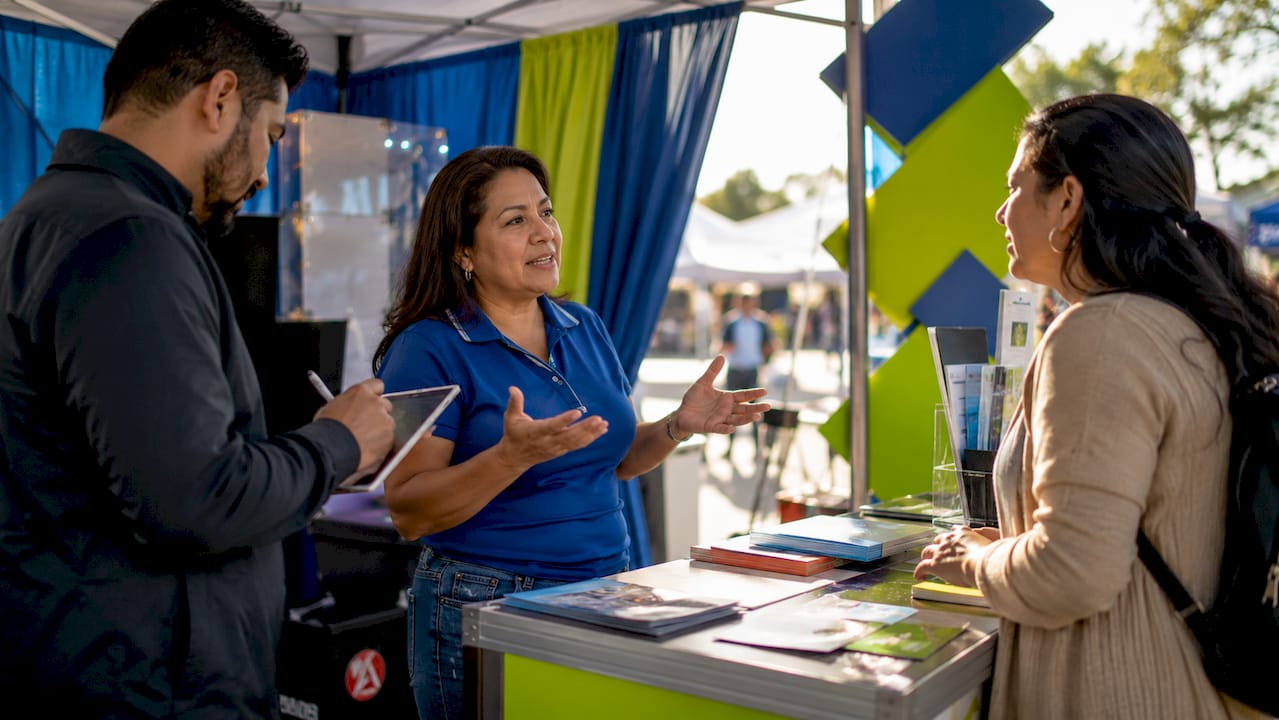
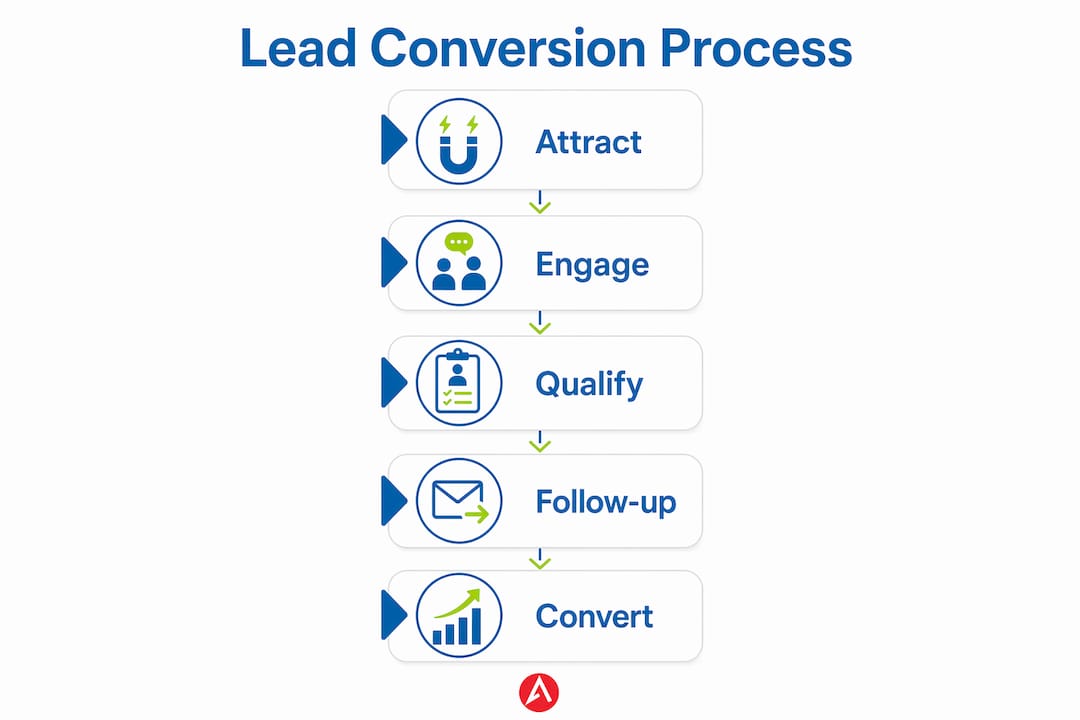
Trade show displays are the primary lead generation tool at live events, converting floor traffic into qualified sales pipeline through intentional design, active engagement, and structured follow-up. The industry term for this process is exhibit lead generation, and understanding how trade show displays generate leads requires looking at the full cycle: pre-show targeting, booth experience, on-site capture, and post-show follow-up. Successful lead capture starts 4–6 weeks before the event, not on the show floor. Your display is the anchor of that entire system.
How trade show displays generate leads at live events
A trade show display generates leads by doing three things simultaneously: attracting the right attendees, creating a reason to stop and engage, and making it easy to capture contact and qualification data. Displays that accomplish all three produce pipeline. Displays that only look good produce badge scans, which are not the same thing.
Passive badge scanning produces unqualified contacts that sales teams cannot effectively work with. That distinction matters because most exhibitors still treat a scan as a lead. A real lead meets three criteria: confirmed Ideal Customer Profile fit, a clearly articulated pain point, and a mutually agreed next step established at the booth. Your display’s job is to create the conditions where those three things happen naturally.
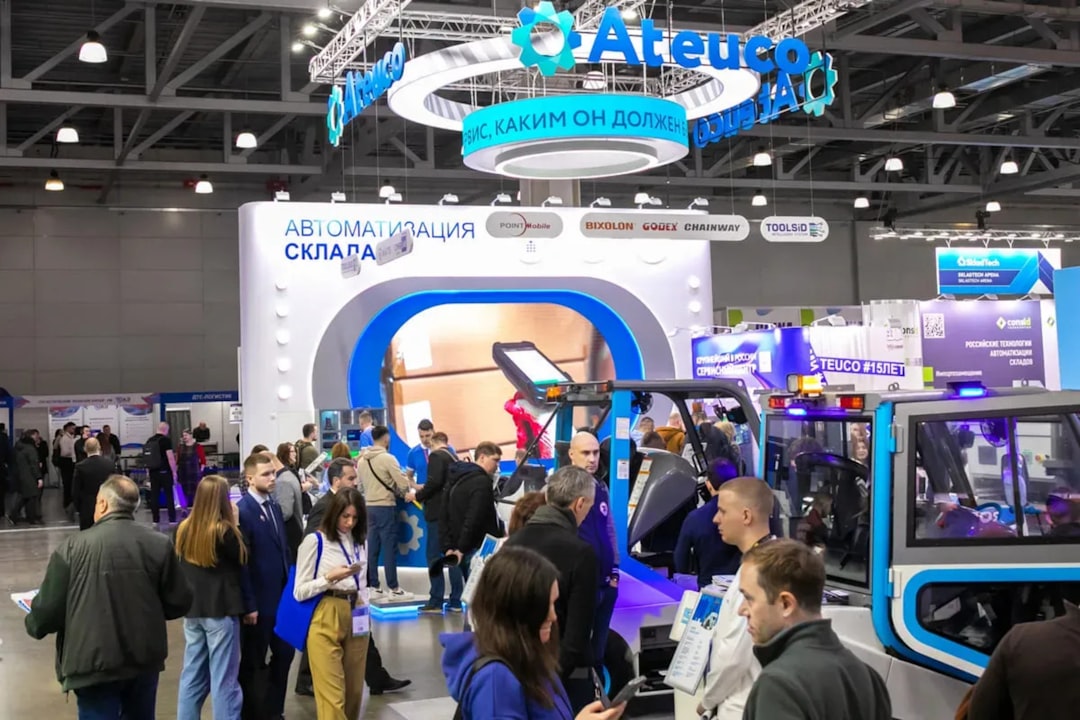
The physical display sets the first impression. Bold graphics and clear messaging tell a passing attendee in under three seconds whether your booth is relevant to their problem. Lighting, height, and layout direct foot traffic and signal professionalism. Once someone steps in, the display’s interactive elements take over and turn a walk-by into a conversation.
What elements make a trade show display effective for lead generation?
Display design directly determines the quality of your booth engagement. The most effective displays share four characteristics.
-
Bold, focused visuals. One clear headline message outperforms a list of features. Attendees scan, they do not read. Your graphic should answer “What problem do you solve?” in five words or fewer.
-
Interactive elements. Live demo stations and interactive challenges shift booth visits from passive to consultative. A product demo, a quiz, or a hands-on experience gives attendees a reason to stay and gives your team a reason to ask qualifying questions.
-
Technology integration. Tablets, QR codes, and digital kiosks serve two purposes: they create engagement touchpoints and they capture lead data instantly. A QR code linked to a short intake form collects name, company, and pain point in under 60 seconds.
-
Single-problem focus. Interactive booth experiences focused on a single, clear problem increase dwell time and lead engagement compared to broad overviews. Pick one use case and build your display around it.
You can explore trade show display types to match the right format to your booth size and engagement goals.
Pro Tip: Place your QR code at eye level on a retractable banner stand, not on a table. Eye-level placement gets scanned three to four times more often than table-level placement.
The display format matters too. A 10 ft stretch fabric display creates a clean, professional backdrop that frames your team and your demo area. A-frame sidewalk signs placed outside your booth pull in foot traffic from the aisle before attendees even see your main display. Layering display types creates a visual funnel that guides attendees from awareness to conversation.
How does pre-show targeting improve your lead results?
Pre-show targeting is the single highest-leverage activity in trade show lead generation. 81% of trade show attendees possess buying authority, which means the room is full of decision-makers. The exhibitors who win are the ones who identify those decision-makers before the show opens.
Start by pulling the attendee list and segmenting it by Ideal Customer Profile fit and buying authority. Prioritize contacts who match your target account list. Then run a multi-channel pre-show outreach campaign through email, LinkedIn, and phone calls to book meetings before the event. Aim for 20–30 pre-booked appointments. Pre-booked meetings convert at a significantly higher rate than cold floor conversations because the prospect already knows who you are and why they agreed to meet.
-
Build your target list. Pull the attendee roster 4–6 weeks out. Filter by job title, company size, and industry to match your ICP.
-
Segment by priority. Rank contacts as high, medium, or low based on buying authority and account fit.
-
Launch outreach sequences. Send a personalized email referencing the event, follow up on LinkedIn, and make a brief call to high-priority targets.
-
Book appointments. Confirm specific meeting times at your booth. Include your booth number and a one-sentence value statement in the confirmation.
-
Brief your sales team. Share the booked meeting list with context on each prospect’s pain points and goals before the show opens.
Collaborate with your sales team to build a lead scoring framework before the event. Agree on what qualifies as a Tier A, Tier B, or Tier C lead so everyone captures data consistently on the floor.
What are best practices for capturing and qualifying leads at the booth?
Lead capture at the booth requires combining technology with active qualification conversations. Technology alone produces contacts. Conversations alone produce notes that get lost. The combination produces CRM-ready lead records.
| Capture method | What it captures | Best use case |
|---|---|---|
| Badge scanner | Name, title, company, email | High-volume shows with large foot traffic |
| QR code form | Custom fields: pain point, timeline, interest | Targeted qualification with self-service entry |
| Tablet kiosk | Full intake form with lead tier tagging | Staffed qualification stations |
| Business card | Basic contact info | Backup when technology fails |
Effective lead capture combines badge scanning, QR code forms, and tablet kiosks with immediate CRM tagging. The tagging step is where most exhibitors fall short. Capturing a name without context is nearly useless. Capturing a name with a noted pain point, a decision timeline, and an agreed next step is a qualified lead.
Train your booth staff to ask three questions in every conversation: What is the biggest challenge you are trying to solve? What does your decision timeline look like? What would a successful outcome mean for your team? Those answers go directly into the lead record before the prospect leaves your booth.
Pro Tip: Assign lead tiers in real time. Tier A means immediate follow-up within 24 hours. Tier B means nurture sequence. Tier C means general marketing list. Real-time CRM sync triggers the right follow-up workflow automatically based on the tier you assign on the floor.
Review signs every small business needs for trade shows to make sure your display reinforces your qualification messaging visually at every touchpoint.
Why does post-show follow-up determine your final lead conversion rate?
Post-show follow-up is where most trade show investment is either recovered or wasted. Less than 70% of exhibitors follow up on show leads with a formal process. That gap is a direct competitive advantage for exhibitors who do have a process.
The optimal follow-up window is tight. Following up within 24–48 hours with a message that references specific conversation details markedly improves conversion rates compared to delayed or generic outreach. The prospect remembers the conversation. A personalized message confirms you were paying attention and builds trust immediately.
Your follow-up sequence should include:
-
Day 1 email. Reference the specific pain point discussed at the booth. Include one relevant resource, a case study, or a product page. End with a clear call to action for a next meeting.
-
Day 2 LinkedIn connection. Send a brief note referencing the event and your conversation. Keep it short.
-
Day 3–5 phone call. For Tier A leads, a direct call reinforces urgency and moves the conversation forward.
-
Week 2 nurture email. For Tier B leads, share a piece of content that addresses their stated challenge. This keeps your brand present without being pushy.
-
Week 3–4 check-in. A brief email asking whether their situation has changed or whether they have questions keeps the lead warm until they are ready to buy.
Generic follow-up messages destroy the goodwill your booth team built on the floor. Personalization is not optional. It is the mechanism that converts a warm conversation into a scheduled sales call.
Key Takeaways
Trade show displays generate qualified leads only when display design, pre-show targeting, on-site capture, and post-show follow-up operate as a single connected system.
| Point | Details |
|---|---|
| Display design drives engagement | Bold visuals, interactive demos, and a single-problem focus increase dwell time and qualification conversations. |
| Pre-show targeting fills your calendar | Booking 20–30 meetings before the event produces higher-quality leads than relying on floor traffic alone. |
| Capture requires context, not just contact | Badge scans without qualification data are contacts, not leads. Tag pain points and next steps in real time. |
| Follow up within 24–48 hours | Personalized follow-up referencing booth conversations converts leads at a significantly higher rate than generic outreach. |
| Tier your leads on the floor | Assigning Tier A, B, or C during capture ensures your sales team prioritizes the right prospects immediately after the show. |
What I have learned about trade shows that most exhibitors ignore
Most exhibitors obsess over booth aesthetics and ignore lead data quality. I have seen beautifully designed booths return almost nothing in pipeline because the team was collecting badge scans and calling them leads. The display gets the credit when things go well and the blame when they do not, but the display is only one part of the system.
The insight that changed how I think about this: your booth conversation is a sales call, not a demo. The display creates the environment. Your team has to do the qualification work. If your staff cannot articulate your ICP in one sentence and ask a pain-point question within the first two minutes of a conversation, the best display in the hall will not save your lead numbers.
The other thing exhibitors consistently underestimate is follow-up speed. A lead that felt warm on Thursday afternoon feels cold by Monday morning if you have not reached out. The 24–48 hour window is not a guideline. It is the difference between a prospect who remembers your conversation and one who has already moved on to the three other vendors they met that week.
Invest in your display. Make it professional, focused, and interactive. Then invest equally in the process that surrounds it. The display opens the door. Your system closes the deal.
— Dan
Build a display that works as hard as your team does
Your display is your booth’s first and most visible asset. Getting it right before the show opens sets the tone for every conversation that follows.
Arrowhead Sign Company - Signs, Banners and Trade Show Displays offers a full range of custom trade show displays built for impact and fast turnaround. The 10 ft stretch fabric display creates a polished, professional backdrop that frames your team and your messaging with clarity. For added booth visibility at the aisle, the Signicade Deluxe A-Frame sign pulls in foot traffic before attendees reach your main display. Most products ship within two business days, and Arrowhead Sign Company - Signs, Banners and Trade Show Displays provides direct delivery to venues across Arizona. Your display should be ready before your first pre-show email goes out.
FAQ
What makes a trade show display effective for lead generation?
An effective display uses bold, focused visuals, interactive elements like live demos, and integrated technology such as QR codes or tablet kiosks to attract qualified attendees and capture lead data on the spot.
How early should you start preparing for trade show lead capture?
Lead capture preparation starts 4–6 weeks before the event, covering attendee research, pre-show outreach, meeting bookings, and display readiness.
What is the difference between a contact and a qualified trade show lead?
A qualified lead has confirmed ICP fit, a clearly stated pain point, and an agreed next step. A contact is just a name and email with no qualification context.
How quickly should you follow up after a trade show?
Follow up within 24–48 hours with a personalized message referencing your booth conversation. Delayed or generic follow-up significantly reduces conversion rates.
What lead capture methods work best at trade show booths?
Combining badge scanning, QR code intake forms, and tablet kiosks with real-time CRM tagging produces the most complete and actionable lead records from a trade show booth.