

Trade Show Display Types Explained for Marketers
Posted by Deeder Dandenhorf on Jun 13th 2026
Trade Show Display Types Explained for Marketers
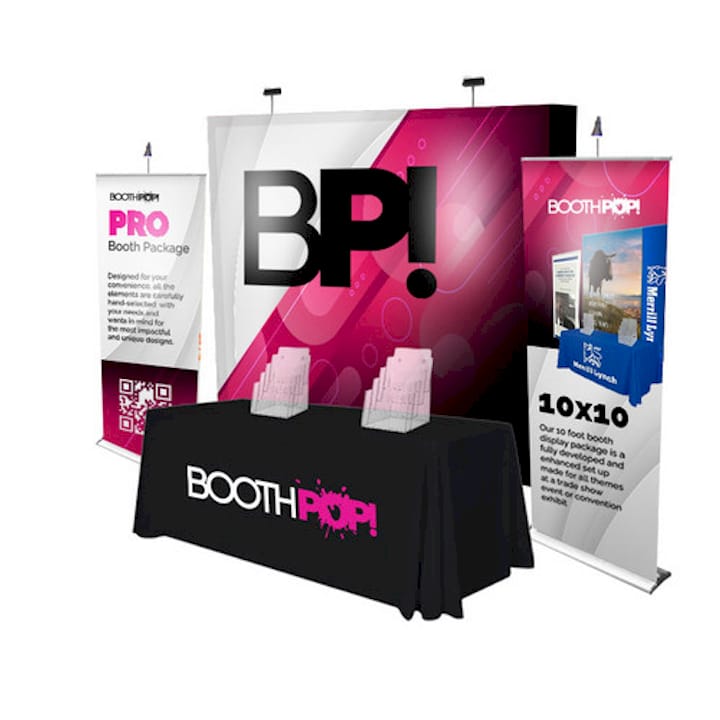
Trade show display types are the distinct families of booth constructions and exhibit backdrops, each defined by its setup method, materials, and visual presentation. The three primary categories are pop-up displays, tension fabric displays, and silicone edge graphics (SEG) displays, with modular, truss, and banner stand systems rounding out the full spectrum. Choosing the right display format directly affects your setup speed, shipping costs, staff requirements, and the visual impression your brand makes on the floor. Whether you’re an event coordinator managing multiple shows a year or a small business owner preparing for your first expo, understanding these categories is the foundation of a smart exhibition strategy.
What are the main trade show display types explained?
Trade show display types fall into three dominant families, each with a distinct construction method and graphic attachment system. Understanding the differences between them is the fastest way to narrow down your options before you spend a dollar.
Pop-up displays use a collapsible accordion frame that expands and locks into shape. Graphics attach via magnetic strips or Velcro panels, which is why pop-up displays set up in as little as 2 to 5 minutes for a 10-foot configuration. The full system typically weighs 30 to 50 lbs, making it one of the most portable options available. These are the workhorses of the trade show world, popular with solo exhibitors and small teams.
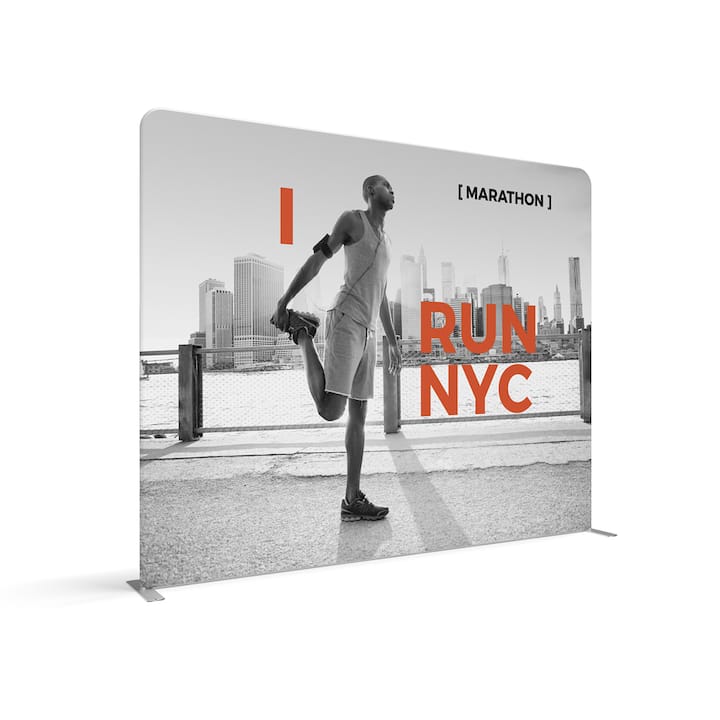
Tension fabric displays stretch a pillowcase-style fabric graphic over a lightweight aluminum frame and close with a zipper. The setup takes 5 to 10 minutes and the system weighs between 20 and 40 lbs, making it lighter than most pop-up frames. The fabric conforms to curved and shaped frames, which opens up creative silhouettes that flat panel systems cannot match. You can learn more about how these work in this tension fabric display guide.
SEG (Silicone Edge Graphics) displays use a fabric graphic with a silicone bead sewn into the edge, which tucks into a channel on an aluminum extrusion frame. The result is a drum-tight, perfectly flat surface with no wrinkles or panel seams. SEG displays weigh 60 to 120 lbs and take 15 to 20 minutes to assemble, but they deliver the premium visual finish preferred in high-end exhibits and backlit installations.
Beyond these three, modular displays use interchangeable panel components that reconfigure into different booth sizes. Truss systems use interlocking aluminum tubes for large, architectural structures. Banner stands (including retractable and outdoor styles) are the most affordable and compact option, ideal as supplemental signage rather than primary backdrops.
| Display Type | Setup Time | Weight (10 ft) | Cost Range | Graphic Attachment | Best For |
|---|---|---|---|---|---|
| Pop-up | 2–5 min | 30–50 lbs | $500–$3,000 | Magnetic or Velcro | Solo exhibitors, fast setups |
| Tension fabric | 5–10 min | 20–40 lbs | $800–$4,000 | Zipper pillowcase | Creative shapes, frequent travel |
| SEG | 15–20 min | 60–120 lbs | $1,500–$8,000+ | Silicone edge channel | Premium branding, backlit graphics |
| Modular | 30–60 min | Varies | $2,000–$10,000+ | Panel-based | Reconfigurable multi-show setups |
| Banner stand | Under 1 min | 5–15 lbs | $100–$600 | Roll-up or slip-over | Supplemental signage |
Pro Tip: If you’re comparing pop-up display options for the first time, check out this pop-up display comparison guide before committing to a frame style. The difference between magnetic and Velcro attachment matters more than most first-time buyers expect.
How do setup time, portability, and visual finish differ?
The practical logistics of each display type separate them far more than their price tags do. Three factors drive the real-world experience: how fast you can set up, how easy the system is to transport, and what the finished display looks like from 20 feet away.
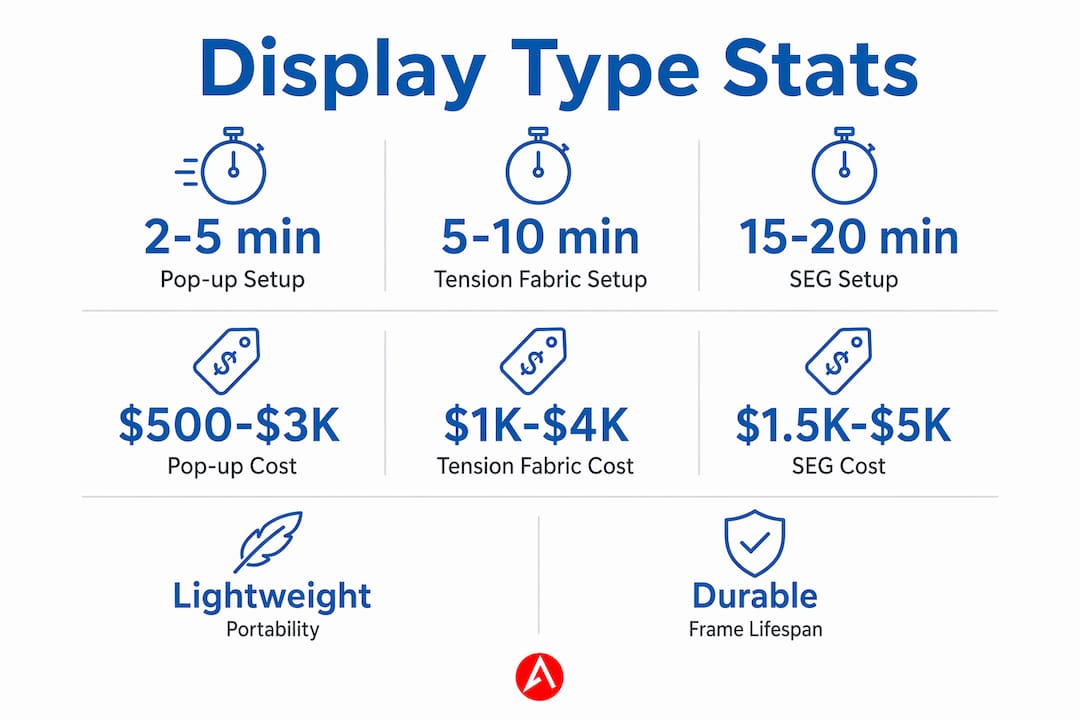
Setup speed is the most immediate concern for event coordinators managing tight move-in windows. The graphic attachment method is the biggest variable here, not just the frame design. Magnetic and Velcro panels snap into place in seconds. SEG graphics require you to tuck a silicone bead into a channel around the entire perimeter of the frame, which adds several minutes per panel. Pop-up frames also have fewer individual components than SEG extrusion systems, which reduces the chance of a missing part derailing your setup.
Portability breaks down into two numbers: total weight and number of shipping cases. Portable display systems like pop-up frames and fabric tension displays typically pack into one or two cases, which simplifies airline check-in, freight shipping, and venue logistics. SEG systems often require multiple cases and may need a freight carrier rather than standard checked baggage. For exhibitors doing five or more shows per year, those shipping costs compound quickly.
Visual finish is where the categories diverge most sharply:
-
Pop-up displays produce a slightly curved surface with visible panel seams between graphic sections. The look is clean and professional but not seamless.
-
Tension fabric displays create a smooth, continuous graphic surface with no seams. Curved frame shapes add dimension and visual interest that flat systems cannot replicate.
-
SEG displays deliver the tightest, flattest graphic surface of any portable system. Backlit SEG frames glow evenly with no hot spots, making them the preferred choice for premium brand environments.
Pro Tip: First-time exhibitors consistently underestimate the time needed to attach graphics, not to assemble the frame. Practice the full setup at home before your first show. A 5-minute frame assembly can turn into a 25-minute ordeal if you’re figuring out graphic attachment on the show floor.
What are cost-effective trade show display types for your budget?
Budget planning for trade show displays requires looking beyond the purchase price. The typical price ranges for 10x10 configurations are: pop-up at $500 to $3,000, tension fabric at $800 to $4,000, and SEG at $1,500 to $8,000 or more. Those numbers represent the initial investment, but durability and graphic replacement costs determine your actual cost per show.
Frame lifespan matters significantly for ROI. Pop-up frames last 100 or more shows, tension fabric frames last 50 to 75 shows, and SEG frames last 150 or more shows. A $2,000 SEG system used at 150 shows costs roughly $13 per show in frame depreciation alone. A $1,000 pop-up used at 100 shows costs $10 per show. The math favors premium systems for frequent exhibitors, while budget-friendly pop-ups make sense for businesses attending two or three shows annually.
For small businesses, the signs every small business needs for trade shows often start with a pop-up or tension fabric backdrop paired with a retractable banner stand. That combination covers the full booth footprint at a fraction of the cost of a custom SEG exhibit.
Use this checklist before finalizing your display budget:
-
Count the number of shows you plan to attend per year and multiply by three years to get your total usage estimate.
-
Add estimated shipping costs per show based on the weight and number of cases for each display type you’re considering.
-
Factor in graphic replacement costs. Tension fabric and SEG graphics typically cost $200 to $800 per replacement for a 10-foot display.
-
Include labor costs if your team needs more than one person to set up the display within your move-in window.
-
Compare the total three-year cost across your top two or three display options, not just the sticker price.
Which display types suit different exhibitor profiles?
Choosing the right display depends on matching the system’s strengths to your specific event goals, staff capabilities, and brand positioning. There is no single best option across all scenarios.
-
Solo exhibitors and small teams benefit most from pop-up displays. One person can set up a 10-foot pop-up in under five minutes without tools, which is critical when you’re also managing booth furniture, product samples, and registration.
-
Brands prioritizing visual creativity should consider tension fabric. The ability to use curved, shaped, or backwall-plus-counter configurations in a single lightweight system gives creative marketers more flexibility than flat panel alternatives.
-
Premium and enterprise brands presenting at flagship industry events should invest in SEG. The drum-tight graphic surface and backlit capability signal a level of brand investment that resonates with high-value prospects.
-
Frequent multi-show exhibitors with varying booth sizes should evaluate modular systems. Modular panels reconfigure into 10x10, 10x20, or inline configurations, which reduces the need to purchase multiple separate displays.
-
Event coordinators managing tight timelines across multiple exhibitors should prioritize pop-up and tension fabric systems. Both pack into manageable cases and set up without specialized labor, which keeps move-in schedules on track.
For hybrid setups, combining a tension fabric backwall with SEG counters and banner stands creates a polished exhibit at a mid-range budget. This approach is common among mid-sized companies that want a premium look without the full cost of a custom SEG island exhibit. You can explore backdrop display options to see how these combinations work in practice.
Key takeaways
The right trade show display type is determined by setup speed, portability, visual finish, and total cost per show, not by upfront price alone.
| Point | Details |
|---|---|
| Pop-up displays are fastest | Setup takes 2 to 5 minutes with magnetic or Velcro graphics, ideal for solo exhibitors. |
| SEG delivers the best visual finish | Silicone edge graphics create a drum-tight, seamless surface suited for premium branding. |
| Frame lifespan drives ROI | SEG frames last 150+ shows; pop-ups last 100+; factor this into your total cost calculation. |
| Portability affects total cost | Systems packing into one or two cases reduce freight costs significantly over multiple shows. |
| Match display type to exhibitor profile | Solo exhibitors favor pop-ups; creative brands favor tension fabric; premium brands favor SEG. |
What I’ve learned from watching exhibitors choose the wrong display
After working with event coordinators and small business owners across dozens of trade shows, the pattern I see most often is this: exhibitors choose their display based on the photo in the product listing, not on the logistics of their actual show day. They fall for the polished SEG render, order it for a regional show with a 45-minute setup window, and then spend the first hour of the event still assembling their booth.
The uncomfortable truth is that visual quality matters far less than you think if your display isn’t fully set up when the doors open. A clean, well-printed tension fabric display that’s been standing for 20 minutes before attendees arrive will outperform a stunning SEG exhibit that’s still being assembled. Setup feasibility has to come first.
The second mistake I see is ignoring weight and case count until the shipping invoice arrives. Exhibitors who travel by air with a 90-lb SEG system in two oversized cases are often shocked by the freight costs. Those costs can easily exceed the price difference between a pop-up and an SEG system within the first two shows. Build the full logistics picture before you commit.
My honest recommendation: start with a tension fabric display if you’re unsure. It gives you a seamless graphic, a lightweight frame, creative shape options, and a setup time that works for one or two people. You can always add SEG components as your show program grows and your logistics become more predictable.
— Dan
How Arrowhead Sign Company can help you choose the right display
Arrowhead Sign Company - Signs, Banners and Trade Show Displays carries a full range of portable exhibit solutions designed for event coordinators and small business owners who need quality visuals without complicated logistics. The 10 ft stretch fabric display is one of the most popular options for businesses that want a seamless, professional backdrop with a fast setup and easy transport. It ships within two business days, which means you’re not waiting weeks to prepare for your next show.
Whether you need a tension fabric backwall, a custom pop-up sign, or retractable banner stands to complete your booth, Arrowhead Sign Company - Signs, Banners and Trade Show Displays provides direct delivery to venues across Arizona and ships nationwide. Contact the team directly to get guidance on which display format fits your event goals, booth size, and budget.
FAQ
What are the three main types of trade show displays?
The three primary trade show display types are pop-up displays, tension fabric displays, and SEG (Silicone Edge Graphics) displays. Each differs in setup time, weight, graphic attachment method, and visual finish.
How long does it take to set up a trade show display?
Setup times range from 2 to 5 minutes for pop-up displays, 5 to 10 minutes for tension fabric displays, and 15 to 20 minutes for SEG displays. Graphic attachment method is the biggest factor affecting total setup time beyond frame assembly.
What is a modular display for trade shows?
A modular display uses interchangeable panel components that reconfigure into different booth sizes and layouts. It suits frequent exhibitors who need one system to cover multiple booth footprints across different events.
Which trade show display type is most cost-effective for small businesses?
Pop-up displays offer the lowest entry cost at $500 to $3,000 for a 10-foot configuration and last 100 or more shows, making them the most budget-friendly starting point. Pairing a pop-up backwall with a retractable banner stand covers most small business booth needs at a manageable total investment.
How do I choose between tension fabric and SEG displays?
Choose tension fabric when you need lightweight portability, creative frame shapes, and a seamless graphic at a mid-range budget. Choose SEG when your priority is a premium, drum-tight flat surface with backlit capability and you have the setup time and shipping capacity to support a heavier system.
Recommended
-
Pop Up Display Comparison Guide for Event Marketers - Arrowhead Sign Company
-
How Trade Show Printing Works: A Planner’s Guide - Arrowhead Sign Company
-
Signs Every Small Business Needs for Trade Shows - Arrowhead Sign Company
-
Types of Promotional Backdrop Displays: 2026 Guide - Arrowhead Sign Company