

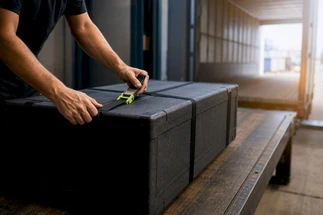
Book 4–6 Weeks: Pack and Ship Trade Show Displays for Small Exhibitors
Posted by Deeder Dandenhorf on Sep 1st 2026
Book 4–6 Weeks: Pack and Ship Trade Show Displays for Small Exhibitors
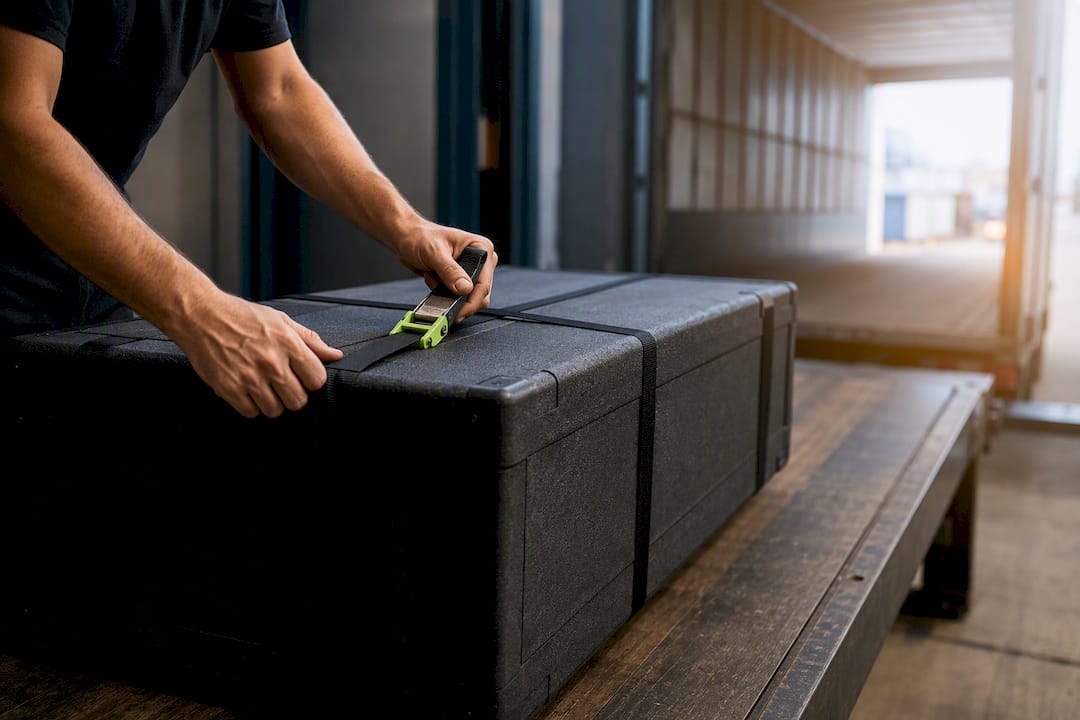
For most exhibitors, stackable crated freight is the safest bet for large or custom exhibits, while foam-lined hard cases suit smaller portable systems that travel to multiple shows a year. Ship to the advance warehouse whenever your show offers one, targeting the opening delivery week rather than the last day. For large shipments, book your carrier well in advance, typically several weeks out, and confirm your booth setup fits the case type before you pack a single piece.
TL;DR:
- Reusable wood crates are most cost-effective for exhibitors attending multiple shows per year due to their durability and reusability.
- Proper packing requires a forklift-compatible skid base, reinforced lid, and internal labels to minimize drayage costs and handling fees.
- Shipping to the advance warehouse offers a buffer against delays and allows for receipt confirmation before the show, especially for high-value exhibits.
- Crated freight consistently costs less overall than uncrated or blanket-wrapped options once drayage fees are included.
- Accurate labeling and weighing your packed case can prevent surprises, reduce handling charges, and simplify the claims process if damage occurs.
Table of Contents
- What’s the Best Way to Ship Trade Show Displays?
- How Do You Pack a Case So It Survives Freight?
- Advance Warehouse or Direct-to-Show: Which Should You Choose?
- Why Do Drayage Fees Spike Without Warning?
- What Should You Do When Your Crates Arrive?
- What Sets Arrowhead Sign Company Apart on Shipping?
- Do Customs Rules Change How You Ship Internationally?
- What the Shipping Playbook Gets Wrong
- Ship Your Next Booth With a Case That Fits the Job
- Sources
- FAQ
What’s the Best Way to Ship Trade Show Displays?
Choosing between crate types isn’t just a packaging decision. It determines how much you pay in drayage, how much risk you’re carrying, and how fast your team can rebuild the booth once it arrives.
Reusable wood crates cost more upfront but pay for themselves fast if you’re hitting three or more shows a year. Custom foam jigging keeps components from shifting, and the crate holds up through dozens of load cycles. Expendable wood crates work for one-off shipments or oversized freight you won’t reuse, but they don’t offer the same protection over repeat trips.
Molded hard cases with foam inserts are the right call for AV gear, monitors, and lighting kits. Fiber or rotomolded cases suit smaller portable systems, banner stands, and literature racks that a single person needs to carry without a dolly.
Palletized or blanket-wrapped freight looks cheaper at first glance, but it usually costs more once drayage fees land. Uncrated items often need extra dock labor to handle safely, which show contractors bill at a premium.
- Reusable wood crates: best for frequent exhibitors with custom, high-value exhibits
- Expendable wood crates: best for one-time or oversized shipments
- Molded hard cases: best for AV, electronics, and repeat-use gear
- Fiber/rotomolded cases: best for lightweight, portable systems
- Palletized/blanket-wrapped freight: acceptable for simple, low-value items, but rarely the cheapest option
How Do You Pack a Case So It Survives Freight?
Specs matter as much as materials. A crate built without forklift clearance or a stackable top invites special-handling charges the moment it hits the show dock, and packing choices directly affect how much you pay in drayage, since crated freight consistently lands in a lower handling tier than blanket-wrapped items.
Build your crate with a skid or pallet base, a reinforced lid that can bear weight, and enough bottom clearance for a forklift to lift it without a strap or special rig, a detail drayage crews check before they’ll move freight without an upcharge.
- Do a full dry-fit pack-out, then weigh the crate loaded, since declaring actual packed weight prevents reweigh disputes at the dock.
- Cut die-cut foam or custom inserts for anything fragile, and jig small parts so nothing rattles loose in transit.
- Pack assembly-first pieces (frame hardware, connector cables, the graphic panel you hang first) near the top so your crew isn’t digging.
- Attach a laminated internal ID card inside the lid listing exhibitor name, booth number, show name, and a phone number, plus matching labels on every exterior side.
Pro Tip: Large-format graphics crease permanently if folded. Pack them flat in a dedicated crate compartment or ship them in a rigid tube rather than rolling them loose in a duffel bag.
Advance Warehouse or Direct-to-Show: Which Should You Choose?
Advance warehouse shipping means your freight arrives at a designated facility days or weeks before the show, where it’s stored until move-in. Direct-to-show means freight arrives at the venue loading dock during the official move-in window, with no buffer.
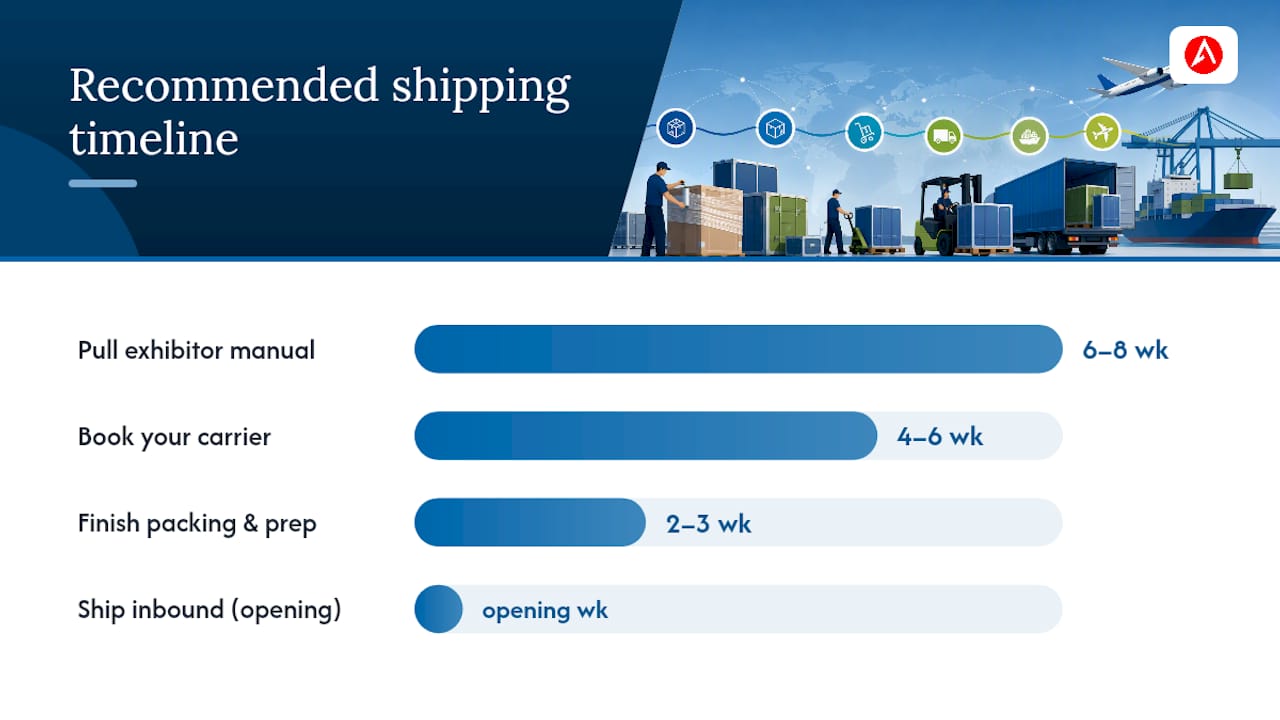
A workable timeline looks like this:
- 6 to 8 weeks out: pull the show’s exhibitor manual and confirm advance warehouse dates, deadlines, and drayage rates.
- 4 to 6 weeks out: book your carrier, especially for large or multi-crate shipments.
- 2 to 3 weeks out: finish packing, weigh crates, and prep labels.
- Advance warehouse opening week: ship inbound, targeting the first days of the receiving window rather than the deadline itself.
- Before move-in: confirm your freight was received; the advance warehouse team can usually verify within 48 hours if you ask.
- Before teardown: pre-book your outbound carrier and pickup window so you’re not stranded at the loading dock after the show closes.
A resource like our trade show display checklist walks through this same window in more detail if you’re building your first shipping calendar.
Why Do Drayage Fees Spike Without Warning?
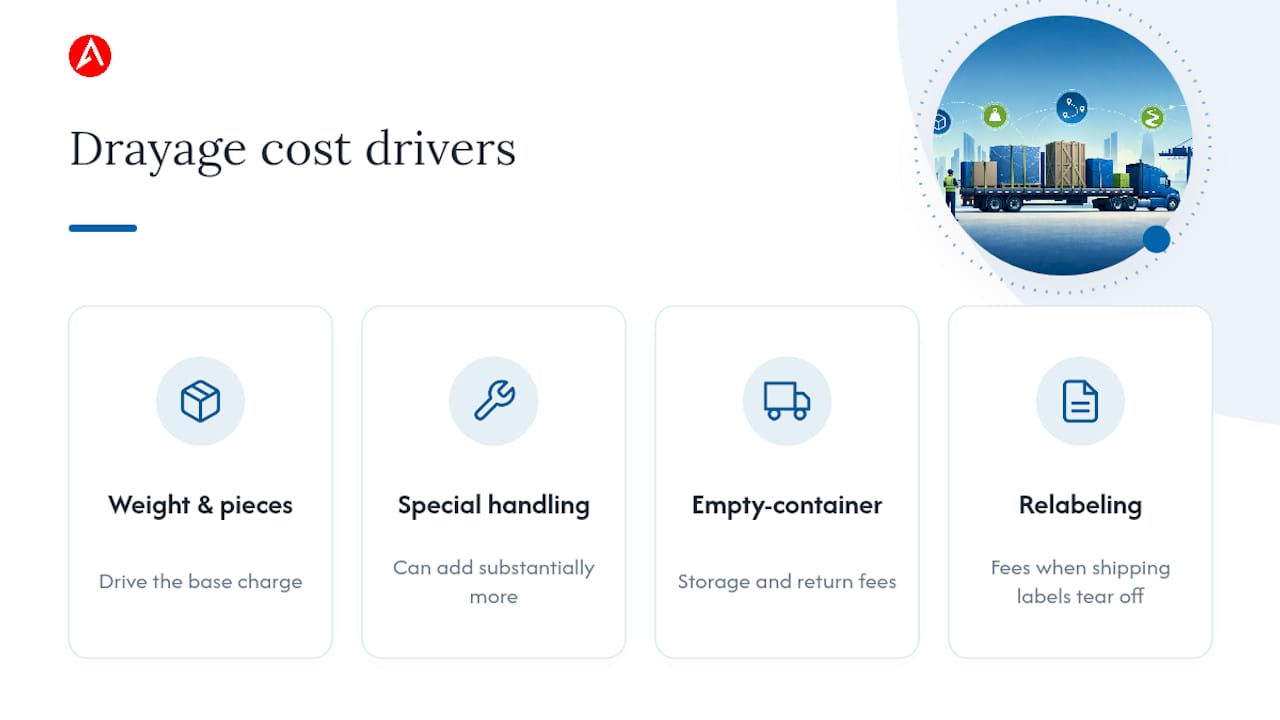
Drayage, the fee show contractors charge to move your freight from the dock to your booth and back, is where most exhibitors get an unpleasant surprise on the final invoice.
Weight and piece-count minimums drive the base charge, but special-handling premiums for uncrated or oddly shaped freight can add substantially more. Empty-container storage and return, plus relabeling fees when a shipping label gets torn off in transit, round out the usual surprises.
You control more of this than it feels like at first. Consolidate loose pieces into as few crates as possible, build every crate forklift-ready, and weigh after full pack-out so your declared weight matches what actually shows up on the dock scale. Submit an accurate bill of lading and piece count to your carrier and the show’s general contractor before freight ships.
One factor with outsized cost impact: the difference between crated and uncrated freight. Show contractors consistently price uncrated or blanket-wrapped items in a higher handling tier because they require more dock labor to move safely. A properly built crate isn’t just protection. It’s a lower line item on your invoice.
Transit insurance is worth the small premium any time your exhibit’s replacement cost exceeds what a standard carrier liability clause would cover, which for most custom booths, it does.
What Should You Do When Your Crates Arrive?
Inspect every case the moment it lands at your booth space, before you sign anything. Photograph dents, cracked lids, or torn labels, and get the carrier or the general show contractor to sign off on any visible damage right there on the dock.
Hold onto your bill of lading and PRO number. You’ll need both if you have to file a claim, along with the delivery photos and a signed receipt.
- Photograph case condition immediately at delivery, before unpacking
- Get carrier or GSC sign-off on any visible damage
- Keep your BOL and PRO numbers accessible through the whole show
- File a damage claim promptly, with photos and signed receipts attached
- Preprint outbound return labels before teardown starts
- Confirm your outbound carrier and pickup window in advance
- Reattach or replace the laminated destination card inside the lid before it ships home
Pro Tip: Teardown chaos is exactly when labels get lost. Laminate a spare destination card for the inside lid before the show even opens, so you’re not scrambling for a marker at 6 p.m. on closing day.
Our booth teardown guide covers the outbound side of this in more depth.
What Sets Arrowhead Sign Company Apart on Shipping?
Arrowhead Sign Company - Signs, Banners and Trade Show Displays ships most products within two business days, which matters when a case gets damaged mid-circuit and you need a replacement panel before the next show. Customer feedback consistently points to that turnaround as the reason repeat exhibitors keep ordering.
For Arizona-based clients, direct venue delivery removes one more freight leg entirely; your display goes straight from production to your event without a third-party carrier in between.
If you run a 10 ft stretch fabric display, packing is simpler than most exhibitors expect. The fabric panels roll compactly, the frame breaks into a handful of tube sections, and the whole system fits into a single mid-size fiber case rather than a full crate. That’s a meaningful advantage if you’re trying to keep drayage weight and piece count down.
Do Customs Rules Change How You Ship Internationally?
Shipping a display across a border adds a layer domestic freight doesn’t have: customs clearance. Every international shipment needs a commercial invoice listing the declared value of your display materials, a harmonized tariff code for each item, and often a carnet, a temporary import document that lets exhibit materials cross a border duty-free as long as they leave the country again within the carnet’s validity window.
Skip the carnet paperwork and you may end up paying duties on gear you never intended to sell, then fighting for a refund once it comes home. Duty rates and clearance timelines vary by destination country, so check the specific requirements for the country hosting your show well before your ship date, ideally through a customs broker who handles trade show freight regularly.
Build in extra transit time for anything crossing a border. Customs holds can add several days beyond a domestic shipment’s normal transit window, and that delay lands on top of whatever advance warehouse deadline you’re already working against. If your show is international, treat the customs step as its own line item on your timeline, not an afterthought tacked onto standard freight booking.
Confirm with your carrier whether they handle customs brokerage directly or whether you need a separate broker. That single question, asked early, prevents most of the last-minute scrambles exhibitors run into at international events.
What the Shipping Playbook Gets Wrong
Most shipping advice treats every exhibit like it’s a 20x20 island booth with a six-figure budget. That’s not who’s reading this. If you’re running a 10x10 with a stretch fabric display and a couple of banner stands, half the standard drayage advice doesn’t apply to you, and following it anyway just wastes money on crate specs you don’t need.
The advice that actually moves the needle for a smaller exhibitor isn’t about crate construction. It’s booking your carrier early and weighing your case after you pack it, full stop. Skip those two steps and you’ll pay for it regardless of how nice your foam inserts are.
Here’s what conventional guidance underweights: labeling. Exhibitors obsess over freight class and crate materials, then slap one paper label on the outside of a case and call it done. That label tears off in transit more often than people admit, and a laminated card inside the lid costs almost nothing compared to a rerouted shipment two states away from your show floor.
Prioritize timing and labeling first. Everything else is optimization.
— Dan
Ship Your Next Booth With a Case That Fits the Job
Arrowhead Sign Company - Signs, Banners and Trade Show Displays built the 10 ft stretch fabric display to pack down small on purpose, so you’re not paying crate-level drayage for a booth that fits in a fiber case. The fabric panels compress tight, the frame breaks into short tube sections, and the whole kit ships in a fraction of the volume a rigid panel display needs.
Fulfillment is fast: most orders ship within two business days, and Arizona clients get direct venue delivery, cutting out an entire freight leg before your show timeline even starts. If you’re weighing case options for an upcoming event, reach out for packing specs and foam insert recommendations sized to your exact display. Visit the 10 ft stretch fabric display page to see specs and place an order, or compare storage and delivery trade-offs using venue logistics planning tools before you commit to a shipping path.
Sources
- Common trade show shipping terms — GoFC Logistics
- How to Pack and Crate Trade Show Exhibits for Freight Shipping — Freightzy
- Trade Show Shipping Best Practices — Exhibitor Online
FAQ
What’s the Cheapest Way to Ship a Trade Show Display?
Crated freight in a forklift-ready case is almost always cheaper than blanket-wrapped or uncrated shipping once drayage fees are factored in, since uncrated items get billed at a higher handling tier.
Should I Use Advance Warehouse or Ship Direct to the Venue?
Advance warehouse is the safer choice for complex or high-value exhibits because it gives you a buffer to confirm receipt before move-in; direct-to-show saves a little money but leaves no room for delays.
How Far Ahead Should I Book My Carrier?
Book four to six weeks out for large shipments, and target the advance warehouse’s opening receiving week rather than the final deadline.
What Case Type Works Best for a Small Portable Display?
Fiber or rotomolded cases suit lightweight, portable systems like a 10 ft stretch fabric display, since the components pack down small enough to skip a full wood crate.
What Should I Do If My Case Arrives Damaged?
Photograph the damage immediately, get carrier or general contractor sign-off before you sign the delivery receipt, and keep your bill of lading and PRO number on hand to file a claim.