

What Is a Tension Fabric Display? A 2026 Guide
Posted by Deeder Dandenhorf on Jun 4th 2026
What Is a Tension Fabric Display? A 2026 Guide
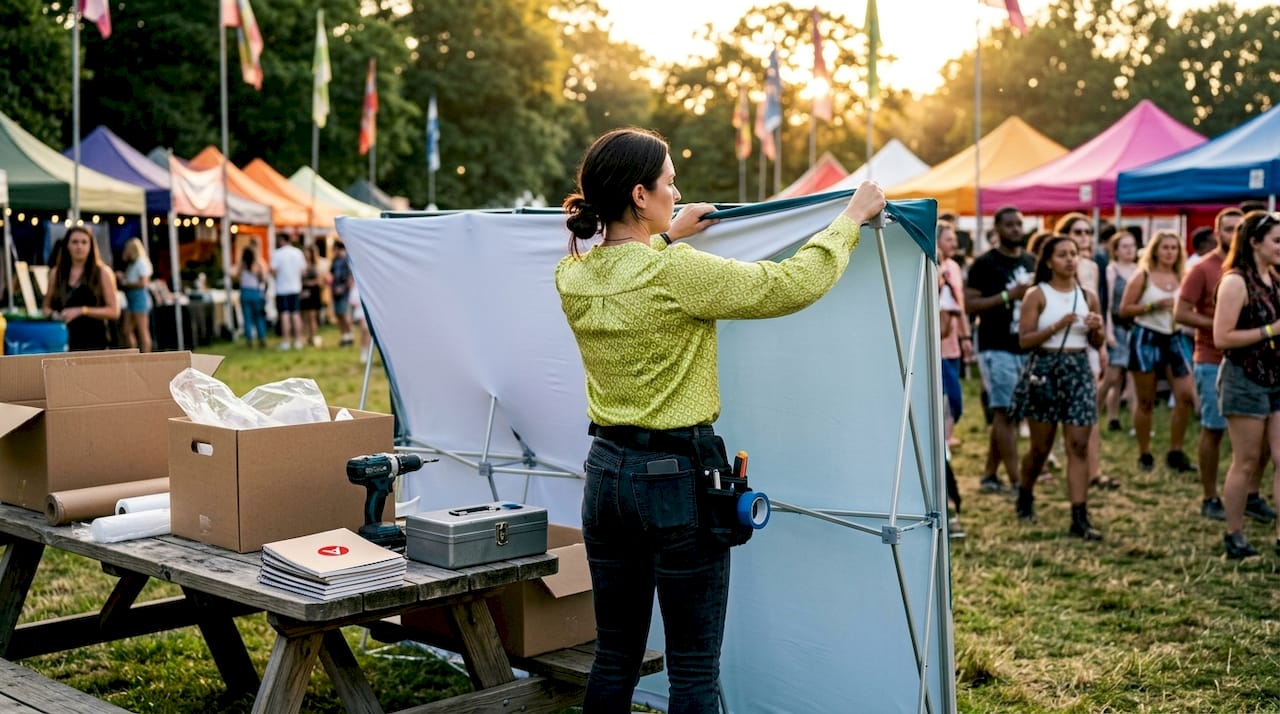
A tension fabric display is a modular exhibit system built from a lightweight aluminum frame stretched with a printed polyester fabric graphic to create a smooth, wrinkle-free visual surface. This format has become the preferred choice for trade show backwalls, event backdrops, and branded kiosks because it delivers professional, edge-to-edge visuals without the bulk of traditional hard-panel booths. If you are an event planner, marketer, or small business owner preparing for your next expo, understanding how these displays work will help you invest wisely and show up with confidence.
What is a tension fabric display and how does it work?
A tension fabric display is defined as a portable signage system that combines a cold-drawn aluminum frame with a stretchable polyester knit graphic to produce a taut, seamless backdrop. The fabric is pulled over the frame and secured using one of two primary attachment methods: a pillowcase-style sleeve that zips directly over the frame, or a silicone edge graphic (SEG) system where a thin silicone strip is pressed into a channel along the frame perimeter. Both methods create the tension that eliminates wrinkles and produces the clean, professional finish you see at major trade shows.
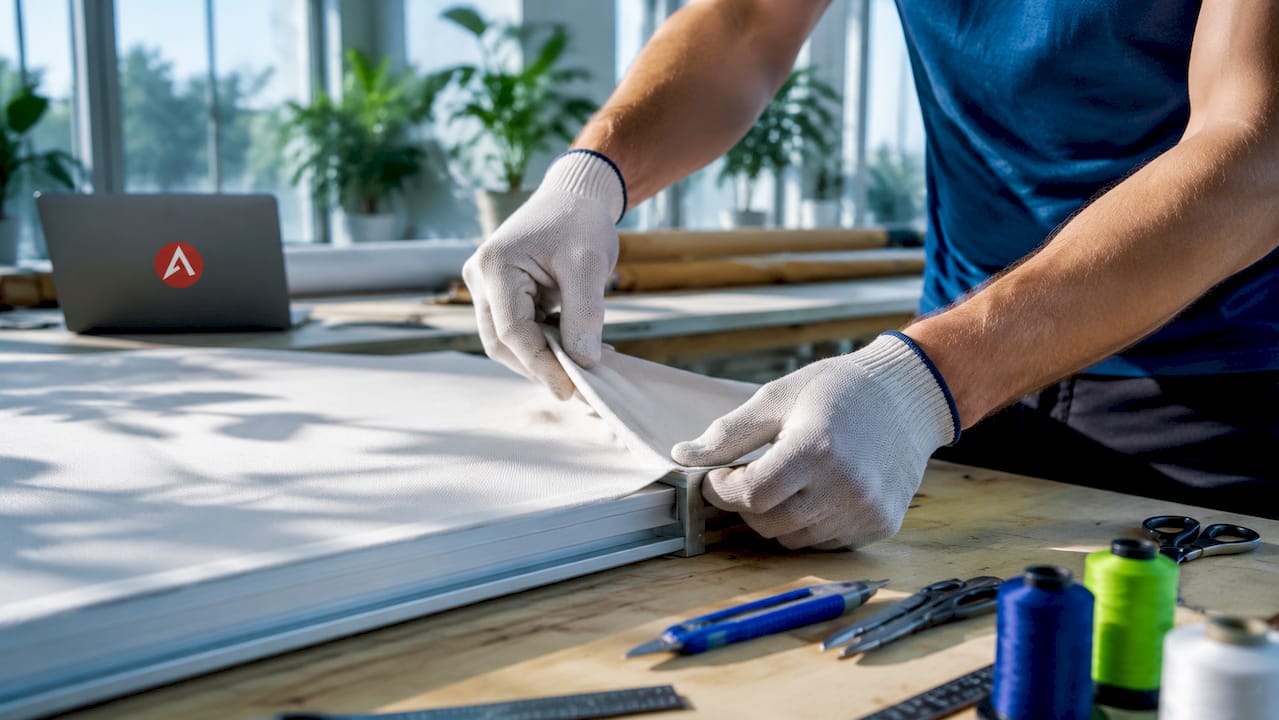
The aluminum frame itself is the backbone of the system. Lightweight modular frames connect tool-free using snap-fit buttons and cold-drawn aluminum tubing, making them durable enough for repeated use yet light enough to pack into a compact carrying case. This modular design also means you can reconfigure the frame into different shapes, including straight backwalls, curved structures, and freestanding towers, depending on your booth layout.
Here is what makes the construction work so effectively:
- Stretchable polyester knit fabric conforms to the frame shape and holds tension without sagging
- Snap-fit connectors allow the frame to assemble and disassemble without tools
- Pillowcase or SEG edge finishing locks the graphic in place and eliminates visible seams
- Modular frame sections pack flat and fit into a rolling carry bag or compact case
Pro Tip: Matching your graphic’s edge finishing method to your specific frame model is the single most important factor for a wrinkle-free presentation. A pillowcase graphic on a SEG frame, or vice versa, will produce visible gaps or bunching that undermines your brand image.
Tool-free setup means most displays assemble in minutes, which matters enormously when you are managing a trade show setup with limited staff and a tight schedule.
What printing methods produce the graphics?
Dye-sublimation printing is the industry standard for tension fabric display graphics, and it produces results that vinyl and digital inkjet printing simply cannot match at this scale. In the dye-sublimation process, heat transfers ink directly into the polyester fibers rather than sitting on top of the material. The result is color that will not crack, peel, or fade with repeated use, and a surface that remains vibrant even after washing and refolding.
Dye-sublimation on stretch polyester delivers permanent, vibrant color with wrinkle-resistant properties built into the fabric itself. This is why tension fabric graphics look sharp at close range and from across a convention floor. The color saturation is noticeably richer than standard vinyl banners, which tend to look flat or reflective under trade show lighting.
Your graphic options include:
- Single-sided printing for standard backwall and backdrop applications
- Double-sided printing for freestanding displays visible from multiple angles, ideal for aisle-facing booths
- Full-bleed edge-to-edge design that maximizes visual impact across the entire display surface
- Washable fabric that maintains color quality through multiple events and cleaning cycles
For design, keep your key message and logo in the center third of the graphic. The outer edges stretch slightly when the fabric is pulled over the frame, so placing critical text too close to the border risks distortion. Work with a printer who provides a template specific to your frame model to avoid this common mistake. You can learn more about how trade show printing works to prepare your files correctly before ordering.
How do tension fabric displays compare to other display types?
Tension fabric displays occupy a specific position in the trade show display market, and understanding where they fit relative to retractable banner stands, pop-up displays, and traditional hard-panel booths helps you choose the right system for your goals.
Retractable banner stands are the most portable option and cost the least upfront, but they are limited to a single narrow panel and cannot create the immersive branded environment that a full backwall provides. Pop-up displays use a collapsible frame with either fabric or graphic panels, but older pop-up systems often show visible seams between panels and can look dated compared to the seamless finish of a tension fabric system.
Traditional hard-panel booths offer a premium, permanent look but require professional installation, significant freight costs, and dedicated storage. They are not practical for small businesses attending multiple regional events throughout the year.
| Display type | Setup time | Weight | Visual finish | Graphic updates |
|---|---|---|---|---|
| Tension fabric display | Minutes, tool-free | Very light | Seamless, wrinkle-free | Replace fabric only |
| Retractable banner stand | Under 1 minute | Very light | Single panel, limited | Replace roll graphic |
| Pop-up display | 10 to 20 minutes | Moderate | Seams visible | Replace panels |
| Hard-panel booth | Hours, professional install | Heavy | Premium, rigid | Requires full replacement |
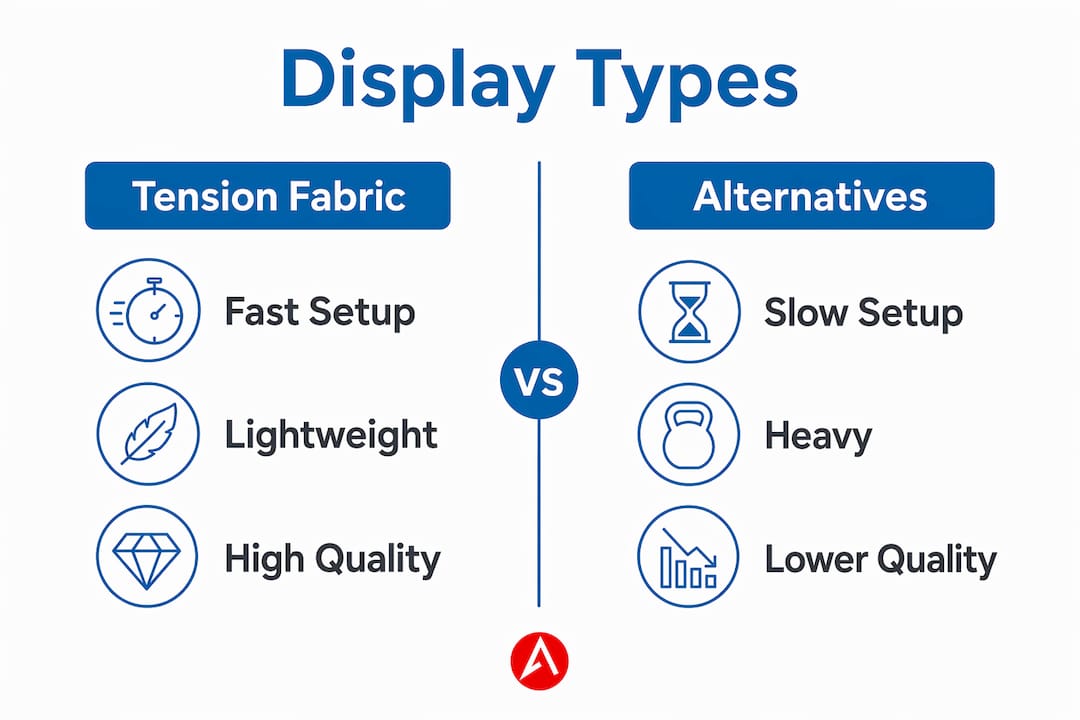
Tension fabric displays outperform vinyl and hard-panel alternatives on setup speed, shipping weight, and visual quality. For small businesses and event planners managing their own booth logistics, this combination is a clear advantage. You can explore a detailed pop-up display comparison to see how these systems stack up across more specific marketing scenarios.
What practical benefits do tension fabric displays offer?
The practical case for tension fabric displays comes down to five concrete advantages that matter to event planners and small business owners managing real budgets and real logistics.
-
Fast, tool-free setup. Snap-fit connectors speed assembly and eliminate the need for carrying extra tools, which means your team can have a full backwall display ready in under ten minutes without hiring outside labor.
-
Lower shipping and freight costs. Lightweight frames and foldable fabric graphics minimize freight expenses significantly compared to hard-panel systems. For businesses attending multiple events per year, this saving compounds quickly.
-
Replaceable graphics extend display life. Pillowcase-style graphics zip over frames for quick updates between events, so you can refresh your messaging or seasonal branding without buying a new frame. This makes the total cost of ownership far lower than systems requiring full replacement.
-
Professional appearance that attracts attention. The seamless, wrinkle-free surface and vibrant dye-sublimation colors create a polished brand presence that signals credibility to potential customers walking the show floor. For small businesses, this visual authority matters as much as the product itself.
-
Expandable with accessories. Monitor mounts, shelving, and literature holders attach directly to tension fabric display frames, transforming a simple backdrop into a fully functional interactive booth without requiring a separate structure.
Pro Tip: If you attend more than three events per year, invest in a second set of graphics rather than a second frame. Swapping graphics on the same frame costs a fraction of buying a complete new display and keeps your booth looking current for different audiences or campaigns.
Tension fabric displays also work beyond the trade show floor. They are used as photo backdrops at corporate events, branded backdrops for press conferences, and promotional displays inside retail locations. The range of promotional backdrop applications continues to grow as brands recognize how versatile the format is across different marketing contexts.
Key takeaways
Tension fabric displays deliver the best combination of portability, visual quality, and long-term cost efficiency for event planners and small businesses attending trade shows and promotional events.
| Point | Details |
|---|---|
| Core definition | A tension fabric display combines an aluminum frame with a stretch polyester graphic for a seamless, wrinkle-free visual. |
| Printing standard | Dye-sublimation printing bonds color permanently into polyester fibers, producing vibrant, durable, washable graphics. |
| Setup advantage | Tool-free snap-fit frames assemble in minutes, reducing labor needs and setup stress at events. |
| Cost efficiency | Replaceable graphics mean you update your messaging without replacing the frame, lowering long-term costs. |
| Versatility | Accessories like monitor mounts and shelving expand a basic backdrop into a fully functional branded booth. |
What I have learned from watching brands win and lose on the show floor
After years of working with event marketers and small business owners preparing for trade shows, the pattern I see most often is this: businesses spend their entire display budget on the frame and then cut corners on the graphic. That is exactly backwards. The frame is a one-time purchase that lasts for years. The graphic is what your audience actually sees, and a low-resolution or poorly designed fabric print will undermine every dollar you spent on the frame beneath it.
The second mistake I see regularly is choosing a display based on price alone without considering the finishing method. A tension fabric system where the frame and graphic edge type do not match will never lie flat, no matter how well the rest of the display is constructed. Always confirm that your graphic supplier and your frame supplier are working from the same specifications.
My honest take on the 2026 display market is that tension fabric has moved from a premium option to the practical standard for any business attending more than one event per year. The cost gap between fabric and vinyl has narrowed, the setup speed advantage is real, and the visual difference is obvious to anyone standing on a trade show floor. If you are still using a vinyl banner as your primary booth backdrop, you are leaving a significant brand impression on the table.
One thing I would push back on is the idea that bigger is always better. A well-designed 10-foot backwall with a sharp graphic and one or two accessories will outperform a sprawling 20-foot display with a cluttered design every time. Clarity and focus in your graphic design matter more than square footage. For small businesses especially, check out the trade show signage guide to prioritize what you actually need before you invest.
— Dan
Get your custom tension fabric display from Arrowhead Sign Company
Arrowhead Sign Company - Signs, Banners and Trade Show Displays offers custom tension fabric displays and pop-up display systems built for event planners and small businesses who need professional results without the complexity. Every display is printed with dye-sublimation technology on high-quality stretch polyester, and most orders ship within two business days so you are never scrambling before an event.
Whether you need a full backwall, a freestanding tower, or a compact kiosk setup, Arrowhead Sign Company provides modular frames with replaceable graphics so your display grows with your brand. Arizona-based clients also benefit from direct venue delivery, removing one more logistical challenge from your event prep. Visit the website to request a quote and see the full range of custom display options available for your next trade show or promotional event.
FAQ
What is a tension fabric display used for?
Tension fabric displays are used as backwalls, towers, kiosks, and exhibit elements at trade shows, corporate events, retail promotions, and photo backdrops. Their portability and professional finish make them practical across a wide range of marketing environments.
How long does it take to set up a tension fabric display?
Most tension fabric displays assemble within minutes using tool-free snap-fit connectors, making them practical for event staff managing setup independently without professional installation support.
Can you replace the graphic without buying a new frame?
Yes. Most tension fabric displays use a pillowcase or SEG graphic that zips or clips over the frame, allowing you to order a new printed graphic and reuse the existing frame for updated campaigns or seasonal messaging.
How is a tension fabric display different from a vinyl banner?
A tension fabric display uses dye-sublimation printed stretch polyester stretched over an aluminum frame, producing a seamless, non-reflective surface. Vinyl banners are flat, single-panel prints that cannot replicate the edge-to-edge, wrinkle-free finish of a fabric display system.
What size tension fabric displays are available?
Tension fabric displays range from compact tabletop units to large-format backwalls spanning 20 feet or more. Modular frame systems allow you to combine sections to create custom widths and heights suited to your specific booth space and event requirements.
Recommended
- Types of Promotional Backdrop Displays: 2026 Guide - Arrowhead Sign Company
- Pop Up Display Comparison Guide for Event Marketers - Arrowhead Sign Company
- How Outdoor Event Banners Are Made: a 2026 Guide - Arrowhead Sign Company
- How Trade Show Printing Works: A Planner’s Guide - Arrowhead Sign Company