


Indoor vs Outdoor Sign Options: A Practical Guide
Posted by Deeder Dandenhorf on Jun 5th 2026
Indoor vs Outdoor Sign Options: A Practical Guide
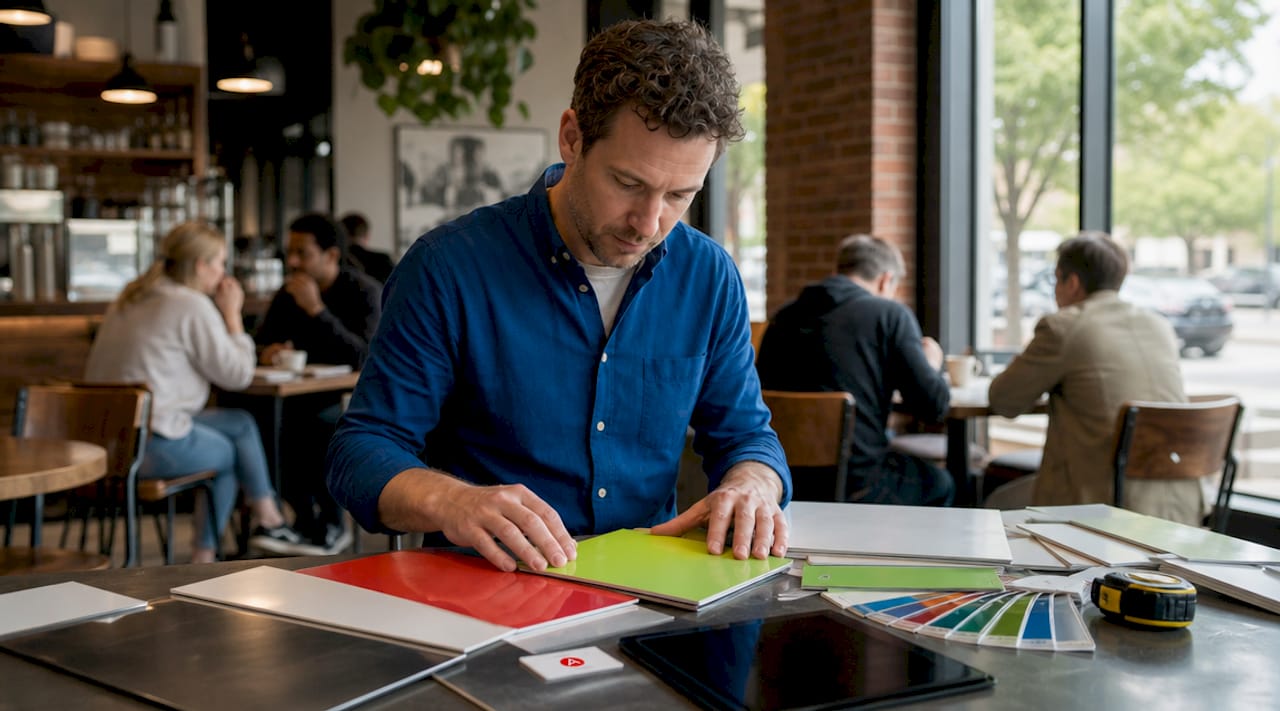
Indoor vs outdoor sign options refer to signage designed for either protected interior environments or exposed exterior settings, each engineered for performance in those specific conditions. The distinction goes far beyond aesthetics. Material composition, visibility requirements, installation complexity, and maintenance costs all shift dramatically depending on where your sign will live. Whether you are planning a trade show booth, a storefront display, or an outdoor festival, choosing the right signage category from the start protects your budget and your brand image.
1. How indoor and outdoor sign options differ at their core
The fundamental difference between indoor and outdoor signage is environmental exposure. Indoor signs operate in controlled settings with stable lighting, no precipitation, and minimal temperature swings. Outdoor signs face UV radiation, wind, rain, humidity, and temperature extremes that degrade materials over time.
This distinction drives every downstream decision: material selection, print method, mounting hardware, and finish type. A sign that looks polished in a conference lobby will warp, fade, or peel within weeks if placed outside. Conversely, a heavy-duty aluminum panel built for a storefront exterior is overbuilt and unnecessarily expensive for a trade show display table.
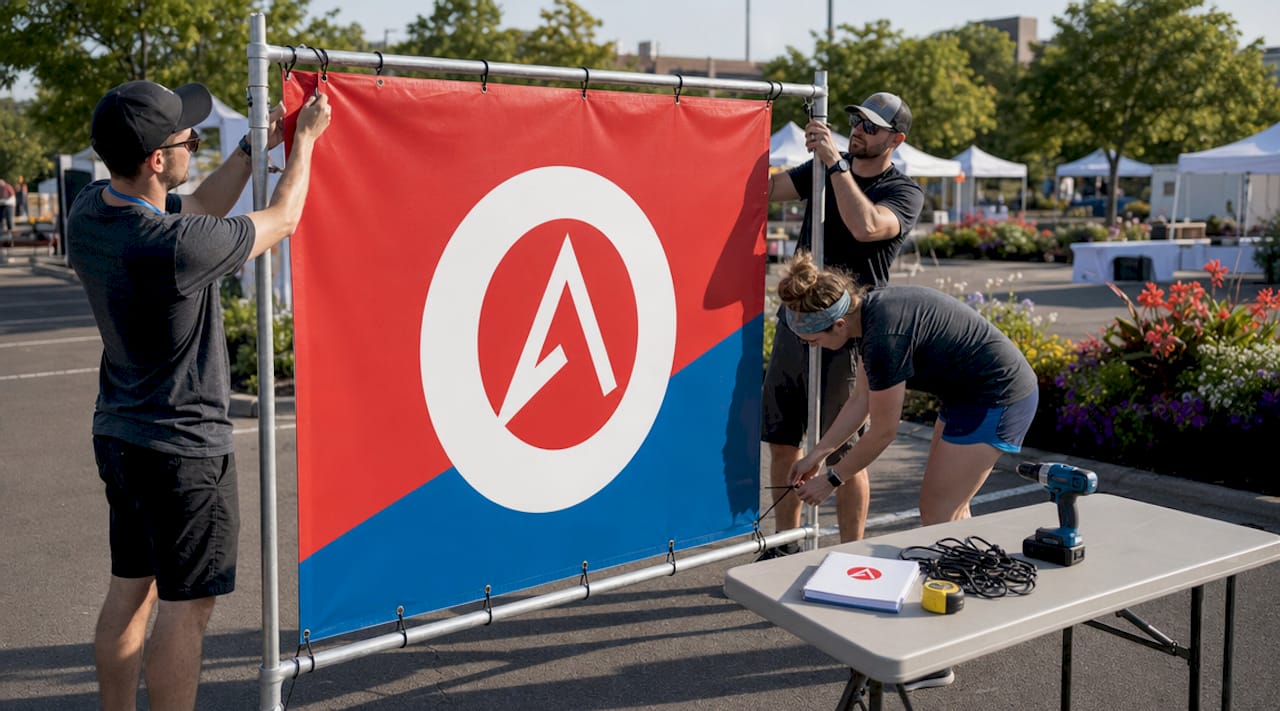
Understanding this core split is the foundation of smart indoor vs outdoor event sign selection for any business or event planner.
2. Key material differences between indoor and outdoor signs
Material choice is the single most consequential decision in signage production. Outdoor signs use heavy-duty materials like marine-grade aluminum and UV-resistant polycarbonates, which withstand sun, wind, and rain at a higher cost but with significantly longer lifespans.
Common outdoor sign materials include:
- Aluminum and ACM (aluminum composite material): Rigid, corrosion-resistant panels suited for permanent exterior mounting
- Coroplast (corrugated plastic): Lightweight and affordable for short-term outdoor use like yard signs and event directionals
- Vinyl banners with UV-resistant inks: economical for temporary outdoor advertising at festivals, fairs, and pop-up events
- Outdoor acrylic with UV coatings: Offers a polished look while resisting sun damage
Indoor signs typically use polished acrylics, foam board, vinyl decals, and PVC, prioritizing aesthetics and color accuracy in controlled environments. These materials suit lobbies, trade show booths, retail interiors, and conference spaces where weather is never a factor.
Pro Tip: Never use foam core board or standard PVC outdoors, even for a single-day event. Indoor materials lack UV and moisture resistance, causing fading, warping, or peeling within hours of direct sun exposure.
Experts warn that over-specifying outdoor-grade materials for indoor use increases costs without any aesthetic benefit. Indoor environments simply do not justify the rugged finish of marine-grade aluminum or weatherproof laminates. Matching material to environment is where businesses gain the most value from their signage investment.
3. How visibility requirements shape sign design
Visibility needs differ sharply between indoor and outdoor environments, and those differences directly influence format, font size, color contrast, and print resolution.
- Viewing distance: Outdoor signs must communicate from 20 to 200 feet away, requiring large formats, bold fonts, and high-contrast color combinations. Indoor signs are typically read from 3 to 15 feet, allowing for finer detail and smaller text.
- Lighting conditions: Outdoor signs require high brightness and UV-resistant inks because sunlight washes out color and degrades unprotected surfaces. Indoor signs benefit from controlled artificial lighting, which allows for accurate color reproduction and high-resolution printing.
- Reflective and protective coatings: UV-resistant inks and protective laminates are standard for outdoor signage longevity, preventing fading from prolonged sun exposure. Indoor signs rarely need these finishes, which keeps production costs lower.
- Environmental interference: Wind, rain, and glare all reduce outdoor sign readability, pushing designers toward simpler layouts with fewer words. Indoor signage can carry detailed messaging, brand storytelling, and fine-print information because the environment is stable.
- Format scale: Outdoor vinyl banners, illuminated channel letters, and large-format aluminum panels dominate exterior applications. Indoor foam core boards, acrylic lobby signs, and retractable banner stands work precisely because they are sized for close-range engagement.
The practical takeaway is that outdoor signage demands simplicity and durability, while the best indoor event signage solutions prioritize detail, color accuracy, and brand sophistication.
4. Cost, installation, and maintenance considerations
Budget planning for signage requires understanding that outdoor signs carry higher costs at nearly every stage of the process.
Outdoor signs generally have higher upfront and maintenance costs than indoor signs, requiring complex installation and weatherproofing. This means your initial investment covers not just the sign itself but also mounting hardware, weather seals, and professional installation to meet local codes or venue requirements.
| Factor | Indoor signs | Outdoor signs |
|---|---|---|
| Material cost | Lower (foam board, PVC, acrylic) | Higher (aluminum, ACM, UV acrylic) |
| Installation complexity | Simple (easels, adhesive, stands) | Complex (mounting, anchoring, permits) |
| Maintenance frequency | Low (occasional cleaning) | Higher (UV coat renewals, weather repairs) |
| Expected lifespan | 1 to 5 years depending on use | 5 to 10+ years with proper materials |
| Portability | High (retractable banners, foam boards) | Low to moderate (panels, channel letters) |
Indoor signs are typically easier and cheaper to install and maintain. A retractable banner stand, for example, sets up in under two minutes and requires no tools. An aluminum panel mounted to an exterior wall may require a contractor, hardware anchors, and a permit depending on your municipality.
Pro Tip: For outdoor events lasting one to three days, vinyl banners are economical and weather-tolerant enough for short exposure. For permanent exterior signage, invest in ACM or marine-grade aluminum to avoid replacement costs within the first two years.
5. Popular types of indoor and outdoor signage and their best use cases
Knowing which sign types exist for each environment helps you match the right product to your specific event or location.
Indoor sign types and their best applications:
- Foam core boards: Ideal for temporary trade show displays, event directionals, and conference room signage. Lightweight and affordable, but not suited for reuse beyond a few events.
- Acrylic lobby signs: Best for permanent or semi-permanent interior branding in offices, retail stores, and hotel lobbies. Acrylic delivers an upscale appearance and suits environments where brand reputation is on display.
- Vinyl decals and wall graphics: Flexible and removable, making them popular for retail promotions, event backdrops, and branded environments. A promotional standing sign using vinyl graphics can anchor a trade show booth without requiring permanent installation.
- Retractable banner stands: The workhorse of indoor event signage. Portable, reusable, and printable in high resolution, they suit trade shows, expos, and corporate events equally well.
- Directional signs: PVC or foam core panels mounted on stands or walls to guide foot traffic at conferences, festivals, and multi-room events.
Outdoor sign types and their best applications:
- Aluminum and ACM panels: Permanent storefront signs, building identification, and outdoor wayfinding. Built to last a decade or more with minimal maintenance.
- Vinyl banners: The go-to choice for outdoor festivals, grand openings, and temporary promotions. Outdoor banners are made with reinforced hems and grommets to handle wind load.
- Coroplast yard signs: Cost-effective for short-term outdoor events, real estate, and political signage. Not suited for extended UV exposure beyond a few weeks.
- Illuminated channel letters: Premium exterior signage for storefronts requiring 24-hour visibility. High upfront cost but strong long-term brand presence.
For trade shows specifically, understanding which signs every small business needs helps narrow down the right combination of indoor display types for maximum booth impact.
6. Tips for choosing the right signage for your event
Selecting between indoor and outdoor signage options comes down to four practical questions: Where will the sign be placed? How long will it be displayed? What is your budget? What level of brand detail do you need to communicate?
Event planners should assess duration, environment, and visibility needs when choosing between indoor and outdoor signage. A temporary outdoor festival lasting two days calls for vinyl banners and coroplast directionals, not permanent aluminum panels. A corporate trade show booth benefits from high-resolution retractable banners and acrylic displays, not weather-resistant but visually flat outdoor materials.
Balance cost against expected lifespan. If you plan to reuse signage across multiple events, invest in higher-quality indoor materials like fabric banner stands or acrylic displays that hold up through repeated setup and teardown. For one-time outdoor events, economical vinyl banners deliver strong visibility without overcommitting budget.
Pro Tip: Consult with a signage specialist before ordering. Describing your venue, event duration, and lighting conditions takes five minutes and can prevent costly material mismatches. Custom marketing displays built to match your specific environment consistently outperform generic off-the-shelf options in both visual impact and longevity.
Key takeaways
Choosing the right signage means matching materials and design to the specific environment, not just the budget.
| Point | Details |
|---|---|
| Material drives everything | Outdoor signs need aluminum, UV acrylics, or vinyl with protective finishes; indoor signs use foam board, PVC, or polished acrylic. |
| Visibility needs differ | Outdoor signs require bold, simple designs for distance; indoor signs can carry detailed messaging and high-resolution graphics. |
| Cost scales with exposure | Outdoor signage costs more upfront and requires more maintenance; indoor signs are cheaper to install and replace. |
| Match sign type to event length | Use vinyl banners and coroplast for short outdoor events; use retractable banners and acrylic for reusable indoor displays. |
| Wrong material wastes budget | Using indoor materials outdoors shortens lifespan and reduces marketing ROI; over-specifying outdoors for indoors wastes money without visual gain. |
Why I think most businesses get signage selection backwards
After working with businesses and event planners across dozens of trade shows and outdoor festivals, I have noticed a consistent pattern. Most people start with aesthetics and then try to fit the environment around their design preferences. That approach almost always leads to regret.
The smarter sequence is to start with the environment and work backwards. Ask where the sign will physically live, what weather or lighting it will face, and how long it needs to perform. Then choose your material. Then design within those constraints.
I have seen businesses order beautiful foam core displays for outdoor expos, only to watch them buckle in afternoon heat. I have also seen event planners spend three times their budget on outdoor-grade aluminum panels for a single-day indoor conference. Both mistakes come from the same root cause: skipping the environment assessment.
The businesses that get the most out of their signage investment are the ones who treat material selection as a strategic decision, not an afterthought. A pop-up display comparison done before you order saves far more than it costs in time.
— Dan
Get the right sign for your next event with Arrowhead Sign Company
Whether you are setting up an indoor trade show booth or promoting your brand at an outdoor festival, Arrowhead Sign Company - Signs, Banners and Trade Show Displays has the products and expertise to match your environment.
From retractable banner stands and custom pop-up signs to outdoor vinyl banners built for weather exposure, every product ships within two business days. Arrowhead Sign Company - Signs, Banners and Trade Show Displays also offers direct delivery to venues across Arizona, so your signage arrives ready to perform. Explore the full catalog and get a custom quote tailored to your event goals, your venue, and your brand.
FAQ
What is the main difference between indoor and outdoor signs?
Indoor signs use lightweight materials like foam board, PVC, and acrylic optimized for aesthetics and close-range readability. Outdoor signs use weather-resistant materials like aluminum, ACM, and UV-coated vinyl to withstand sun, wind, and rain.
Can I use an indoor sign outside for a one-day event?
Standard indoor materials like foam core board lack UV and moisture resistance, causing fading and warping even with brief outdoor exposure. For short outdoor events, vinyl banners or coroplast signs are a more reliable and cost-effective choice.
What outdoor sign material lasts the longest?
Marine-grade aluminum and aluminum composite material (ACM) offer the longest lifespan for exterior signage, often lasting 10 or more years with minimal maintenance. UV-resistant coatings applied to acrylic or vinyl extend outdoor performance significantly.
Which indoor sign type works best for trade shows?
Retractable banner stands are the most practical indoor event signage solution for trade shows because they are portable, reusable, and print in high resolution. Foam core boards and acrylic displays work well as secondary elements for product details or directional guidance.
How do I choose between indoor and outdoor signage for a mixed-use event?
Assess each sign’s physical placement individually. Signs positioned inside a tent or covered pavilion can use indoor-grade materials, while any sign exposed to direct sun or rain requires outdoor-rated materials and UV-resistant inks.