

What Is a Custom Hanging Banner? A 2026 Guide
Posted by Deeder Dandenhorf on Jul 3rd 2026
What Is a Custom Hanging Banner? A 2026 Guide
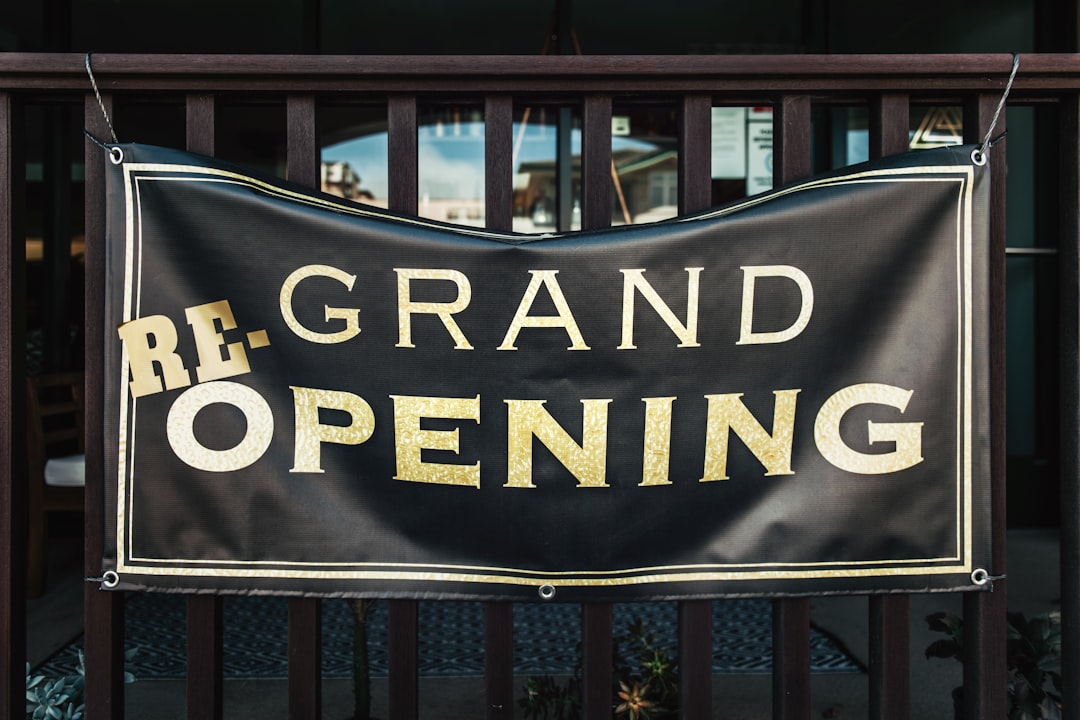
A custom hanging banner is a large-format printed sign tailored in size, material, and finishing to maximize visibility and brand impact in a specific display environment. The industry term is “large-format display banner,” though “custom hanging banner” accurately describes how most event organizers and marketers use it. These signs appear overhead at trade shows, festivals, retail spaces, and corporate events, where they command attention without competing for floor space. Arrowhead Sign Company - Signs, Banners and Trade Show Displays produces these banners in materials ranging from 13 oz scrim-reinforced vinyl to dye-sublimation fabric, each suited to a different setting. A well-placed banner occupies physical and visual space to force momentary brand recognition without requiring any digital interaction.
What is a custom hanging banner made of?
Material choice defines everything about a hanging banner’s performance. The wrong material in the wrong environment shortens lifespan, distorts color, and creates installation headaches. Getting this decision right before you order saves money and protects your brand image.
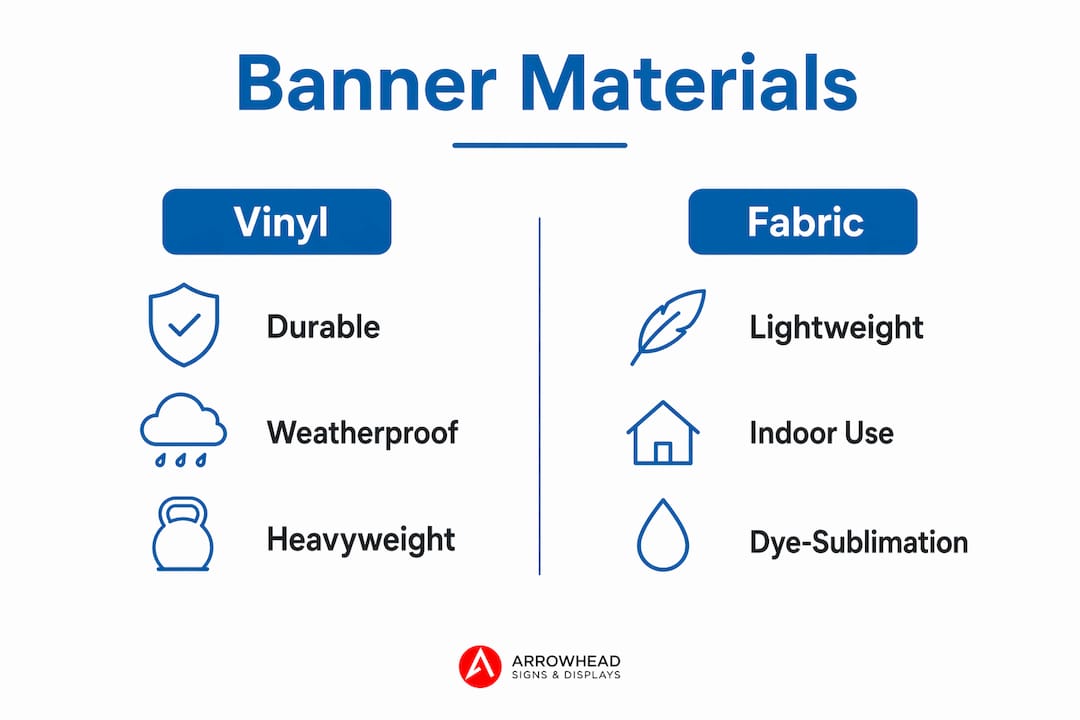
Standard vinyl banners use 13 oz or 16 oz scrim-reinforced PVC for outdoor durability. Vinyl handles rain, wind, and direct sunlight without fading quickly, making it the default choice for outdoor events and storefronts. Its typical functional lifespan outdoors runs 6–12 months, which covers most seasonal campaigns.
Fabric banners work differently. Dye-sublimation fabric banners are lighter and safer for ceiling mounts compared to vinyl, which can be too heavy and reflect glare under artificial lighting. That weight difference matters when you are hanging a banner from a convention center truss or a retail ceiling grid. Fabric also produces richer color under artificial lighting, which is exactly the condition most indoor events create.
Mesh banners fill a third category. They are perforated vinyl panels that allow wind to pass through, reducing the load on mounting hardware during outdoor events. Choosing mesh for windy outdoor areas or fabric for glare-free indoor overhead hanging shows how material selection is really an environmental decision.
Finishing options that protect your investment
Finishing refers to the edges and attachment points added after printing. These details determine how your banner hangs and how long it survives.
-
Reinforced hems: Stitched or welded borders that prevent fraying and distribute tension evenly across the banner.
-
Grommets: Metal rings punched through the hem at regular intervals for rope, zip tie, or bungee cord attachment.
-
Pole pockets: Sewn sleeves along the top or bottom edge that accept a rod or dowel for a clean, frameless display.
-
Reinforced corners: Extra layers of material at the four corners, where stress concentrates most during hanging.
Grommets spaced every 24 inches for banners wider than 72 inches maintain structural integrity and prevent sagging. Skipping this standard creates visible drooping that undermines your brand presentation. For a deeper look at which finish suits each application, the pro guide to banner finishes from Arrowhead Sign Company - Signs, Banners and Trade Show Displays covers every option in detail.
Pro Tip: Always request reinforced hems with grommets when ordering a banner wider than 6 feet. The added cost is minimal, and the structural benefit is significant.
How to design a banner that works at a distance
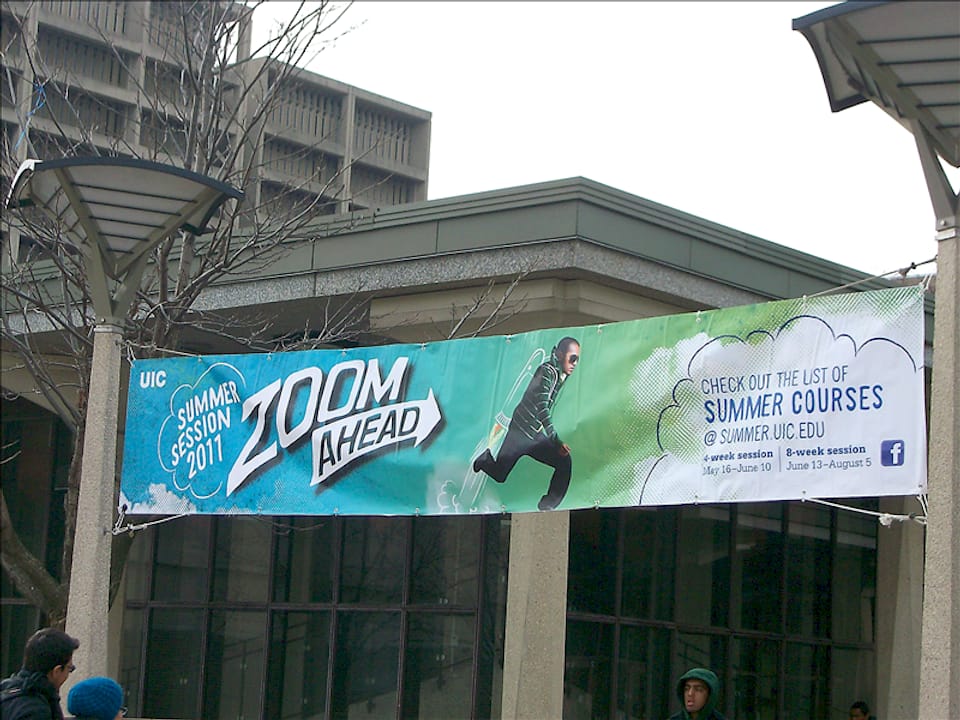
Banners are not oversized flyers. Treat banners as large-format communication tools designed for quick recognition and distant viewing, not as posters loaded with detail. That distinction changes every design decision you make.
Your audience processes a hanging banner in seconds, often while moving. Dense information reduces impact because viewers simply cannot absorb it at a glance. The goal is instant recognition, not complete information transfer.
The hierarchy that drives recognition
A distance-first design approach uses larger logos, fewer words, and strong contrast to increase message retention and brand recall at events where audiences only glance at signage briefly. Apply this hierarchy to every banner you create:
-
Logo or brand name at the largest scale, positioned where the eye lands first.
-
One core message in a single short phrase, no more than five to seven words.
-
Call to action or contact detail in a smaller but still readable size.
Color contrast is not optional. Dark text on a light background, or light text on a dark background, reads clearly from 30 feet away. Low-contrast combinations like gray on white fail at any meaningful distance.
Font size follows a simple rule: if you cannot read the text from across the room while the design is on your monitor at actual scale, it is too small. Sans-serif typefaces like Arial, Helvetica, or Futura perform better at distance than decorative scripts.
Common design mistakes to avoid
-
Using more than two or three font styles on one banner.
-
Centering every element without creating visual flow.
-
Choosing brand colors that lack contrast against each other.
-
Adding a phone number, website, social media handle, and address all at once.
-
Scaling the logo too small because the designer was working at 100% zoom.
Pro Tip: Print a small-scale proof and view it from across the room before approving your final design. What looks balanced on screen often reads as cluttered at a distance.
How to install a hanging banner correctly
Installation determines whether your banner looks professional or becomes a liability. Mounting hardware selection affects banner longevity. Grommets must be paired with appropriate mounting tools like bungee cords or zip ties to prevent tearing.
The distinction between finishing hardware and mounting hardware trips up many first-time buyers. Grommets are finishing hardware, built into the banner. Bungee cords, zip ties, rope, and carabiners are mounting hardware, chosen based on where and how the banner hangs.
Follow these steps for a clean, secure installation:
-
Measure the mounting points before the banner arrives. Know the exact distance between anchor points so you can confirm the banner size fits.
-
Attach grommets to mounting hardware starting from the top two corners. This prevents the banner from shifting while you secure the remaining points.
-
Work from the center outward when attaching intermediate grommets. This distributes tension evenly and eliminates sagging.
-
Use bungee cords for outdoor installations where wind creates variable load. Bungee cords absorb gusts without tearing the grommet holes.
-
Use zip ties for rigid structures like pipe-and-drape systems or chain-link fences, where the banner needs a fixed position.
-
Check tension across the full width after installation. Adjust individual attachment points until the surface is flat and wrinkle-free.
For outdoor events, consider the wind exposure at your specific venue. A banner facing an open field needs mesh material or wider grommet spacing to handle sustained gusts. An indoor banner hung from a ceiling grid faces no wind load but needs lighter material to stay within the weight limits of the mounting system. The guide to outdoor event banners from Arrowhead Sign Company - Signs, Banners and Trade Show Displays explains how environmental factors shape production decisions.
How to order custom hanging banners efficiently in 2026
Ordering a custom banner in 2026 is faster and more accurate than it was five years ago. Web-to-print configurators allow buyers to customize dimensions, finishing, and get instant proofs, reducing turnaround time compared to traditional methods. Most professional buyers now use these web-based tools as their default ordering process.
A good configurator lets you:
-
Set exact dimensions by entering width and height, with the system calculating the print area automatically.
-
Choose material type from a menu that describes each option’s weight, finish, and recommended use.
-
Select finishing options including grommet placement, pole pockets, and hem reinforcement.
-
Upload your artwork and receive an instant digital proof showing how the design fits the chosen dimensions.
-
Approve the proof online and receive a confirmed production timeline before payment.
The automation behind these tools reduces human error at the specification stage. When you select “13 oz vinyl, outdoor, grommets every 24 inches,” the system locks those parameters into the production file. That precision matters when you are ordering multiple banners for a multi-day event with a tight setup window.
Arrowhead Sign Company - Signs, Banners and Trade Show Displays ships most products within two business days, which means you can order later in your event planning cycle without risking a missed deadline. For Arizona-based events, direct venue delivery removes one more logistical step. Reviewing standard banner sizes before you configure your order helps you avoid choosing a non-standard dimension that adds cost or delays production.
Key Takeaways
A custom hanging banner delivers brand visibility through the right combination of material, finishing, design hierarchy, and installation technique.
| Point | Details |
|---|---|
| Material drives performance | Match vinyl to outdoor use and dye-sublimation fabric to indoor ceiling mounts for best results. |
| Finishing prevents failure | Grommets every 24 inches on wide banners and reinforced hems stop sagging and tearing. |
| Design for distance | Lead with a large logo and one short message; dense text fails at event viewing distances. |
| Hardware matters at installation | Pair bungee cords with outdoor grommets and zip ties with rigid indoor structures. |
| Order with a configurator | Web-to-print tools with instant proofs reduce errors and compress turnaround time. |
What I have learned from watching banners fail in the field
The most common mistake I see event organizers make is treating the banner as an afterthought. They spend weeks on booth layout, product demos, and staff training, then order the banner three days before the show with whatever design file is handy. The result is a banner that looks rushed because it is rushed.
The second mistake is underestimating the environment. I have watched a beautifully printed vinyl banner turn into a sail at an outdoor festival because the organizer did not account for afternoon wind. Mesh material or wider grommet spacing would have solved that problem entirely. The fix costs almost nothing at the ordering stage and a great deal more after the banner tears.
My honest recommendation: treat your hanging banner as a primary brand asset, not a commodity print job. Choose the material that fits your specific venue, specify the finishing that matches your mounting system, and design for the distance your audience will actually view it from. A banner that does the job well at your event will also photograph well for social media, extending its value beyond the event itself.
The custom banner application examples from Arrowhead Sign Company - Signs, Banners and Trade Show Displays show how different event types use banners effectively. Seeing real applications often clarifies decisions faster than any specification sheet.
— Dan
Arrowhead Sign Company has your banner covered
Event organizers who need a reliable, fast turnaround on custom hanging banners will find what they need at Arrowhead Sign Company - Signs, Banners and Trade Show Displays. The product range covers everything from lightweight fabric displays to heavy-duty outdoor frames, with finishing options matched to each application.
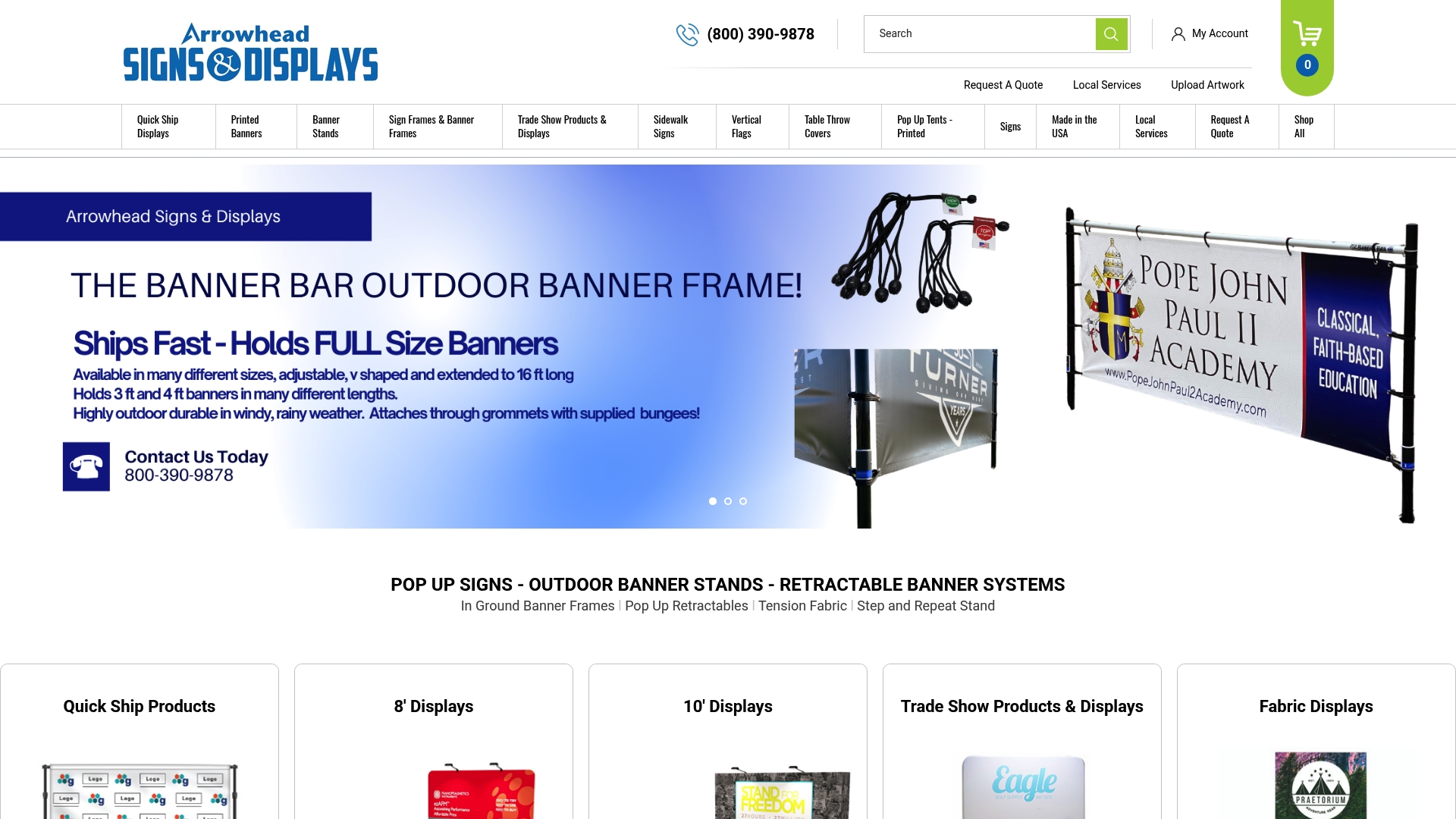
The 10 ft stretch fabric display is a strong choice for indoor trade shows and corporate events where ceiling-mounted fabric banners create a polished, glare-free presentation. For outdoor setups, the adjustable outdoor banner frame holds custom printed banners securely in variable conditions. Most orders ship within two business days, and Arizona clients receive direct venue delivery. Your next event deserves signage that works as hard as you do.
FAQ
What is a custom hanging banner?
A custom hanging banner is a large-format printed sign tailored in size, material, and finishing for a specific display environment. It is designed to hang overhead or from a structure, maximizing visibility without occupying floor space.
What materials are used for hanging banners?
The three most common materials are 13 oz or 16 oz scrim-reinforced vinyl for outdoor use, dye-sublimation fabric for indoor ceiling mounts, and perforated mesh for windy outdoor environments. Each material suits a different combination of environment and mounting method.
How do grommets affect banner installation?
Grommets are metal rings punched through reinforced hems that accept rope, zip ties, or bungee cords. Spacing them every 24 inches on banners wider than 72 inches prevents sagging and distributes tension evenly across the banner.
What is the difference between a custom logo banner and a standard banner?
A custom logo banner incorporates brand-specific artwork, colors, and messaging printed to exact specifications, while a standard banner uses generic templates. Custom versions align material, size, and finishing to the display environment rather than defaulting to a one-size-fits-all format.
How far in advance should I order a custom hanging banner?
Ordering at least one week before your event gives production and shipping time without pressure. With a supplier that ships within two business days, a five-day buffer before setup covers most situations, though complex multi-banner orders benefit from more lead time.
Recommended
-
Standard Banner Sizes: A 2026 Guide for Marketers - Arrowhead Sign Company
-
What Is a Vinyl Event Banner? Your 2026 Guide - Arrowhead Sign Company
-
Selecting Finishes for Custom Printed Banners: A Pro Guide - Arrowhead Sign Company
-
Types of Promotional Backdrop Displays: 2026 Guide - Arrowhead Sign Company