

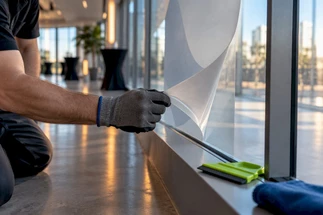
Event Marketers: Window Cling or Decal, Clean Removal in About a Year
Posted by Deeder Dandenhorf on Sep 29th 2026
Event Marketers: Window Cling or Decal, Clean Removal in About a Year

Choose a removable commercial window film when your graphics need to come down cleanly, like event promotions or seasonal storefront campaigns, and choose a permanent vinyl decal for storefront branding or vehicle lettering meant to last for years. The deciding factor is adhesive, not the artwork or the glass itself. Before you order a full run, check the manufacturer’s data sheet and test a sample on the actual glass you plan to use.
TL;DR:
- Removable window films are suitable for campaigns lasting less than a year, offering easy repositioning and clean removal without damaging the glass.
- Permanent decals provide multi-year durability for branding on storefronts or vehicles but require heat or solvent for removal, risking surface damage.
- Adhesive type determines longevity and removability; removable adhesives release cleanly, while permanent acrylics form a tight, long-lasting bond.
- Proper installation involves thorough cleaning, temperature control, and correct application techniques to prevent bubbling and adhesion issues.
- When ordering, specify campaign duration, surface type, and removal plans to ensure the chosen film matches your project’s needs.
Table of Contents
- Removable film vs. permanent decal: a side-by-side look
- Materials and adhesives: what actually determines performance
- How long should window graphics actually last?
- Getting the install right the first time
- Choosing between removable film and permanent decal
- A note on getting this right the first time
- Quick-ship signage that keeps your event on schedule
- Sources
- FAQ
Removable film vs. permanent decal: a side-by-side look
The two product classes solve different problems, and knowing which one fits your timeline saves you money and a lot of scraping later.
Removable commercial window film works best when your campaign has an end date. It is designed to come off cleanly, typically within a limited time frame of application, and it is the better pick for trade-show windows, seasonal sales, and pop-up storefronts where you will swap the graphic soon. Permanent vinyl decal, by contrast, is built for storefronts and vehicles carrying the same branding for years. It holds up better under constant outdoor exposure, but taking it down later usually means heat guns, adhesive solvent, or a professional crew.
- Removable film: easiest to reposition or remove, ideal for short campaigns, but printed graphics left too long can outlast the clean-removal window.
- Permanent decal: strongest long-term outdoor performance, but removal risks pulling paint or leaving adhesive residue behind.
- Shared trade-offs: both come in varying opacity levels, reverse-print options for visibility from outside, and both face thermal and UV stress that shortens lifespan near direct sun.
If you are unsure which category your project falls into, ask yourself how long the graphic needs to stay up. Under a year points to removable film. Multiple years points to permanent.
Materials and adhesives: what actually determines performance
The adhesive layer, not the printed graphic, decides how a window product behaves over its lifetime. Removable adhesives are formulated to release cleanly from glass without cross-linking permanently into the surface, while permanent acrylic adhesives are built to bond tightly and stay that way. ViziPrint Deco+ from Drytac uses a permanent acrylic adhesive rated for extended interior durability, and its documentation is clear that removal isn’t meant to be simple without the right technique.
Substrate matters too. Standard PVC films are the industry default, but PVC-free polymeric films are increasingly used where businesses want a longer indoor lifespan or prefer to avoid PVC. Whichever you choose, remember that manufacturer durability ratings come from lab testing, not your storefront.
- Removable adhesives: designed for clean release, best for short-term graphics.
- Permanent acrylic adhesives: strong, lasting bond, harder to remove without residue.
- PVC vs. PVC-free films: substrate choice affects longevity and environmental preference.
A durable window film like GF 218 WindowMark Blockout offers multiple years of outdoor durability while still using a clear removable adhesive built for short-term promotions. That combination shows why reading the spec sheet matters more than guessing from the product name.
How long should window graphics actually last?
Durability expectations differ sharply between the two product classes, and mismatched expectations are the most common source of buyer disappointment.
Removable films are generally built to guarantee clean removal within about a year, though the printed surface itself can sometimes last longer outdoors. Nekoosa’s Sign-Ad Clear is one example: it offers clean removability within a year while its printed surface carries total outdoor durability lasting several years, which illustrates the gap between “removes cleanly” and “looks good outdoors.” Permanent films sit at the other end, with some interior-rated products like Drytac’s ViziPrint Deco+ built to adhere for years longer than removable options, though exterior service life is typically shorter than interior.
- Removable films: expect clean removal within about a year, sometimes longer visual life outdoors.
- Permanent films: multi-year service life, longer indoors than outdoors.
- Thermal stress from direct sun, especially with dark inks, can raise the risk of glass cracking on the wrong glass type.
Leaving a small border of clear glass around the edge of an exterior install and favoring lighter colors reduces that thermal risk, a precaution worth building into your design before printing rather than after.
Getting the install right the first time
Good material choice only pays off if the installation is done correctly. Bad prep or a rushed application can undo an otherwise durable product in weeks.
- Clean the glass thoroughly with isopropyl alcohol and scrape off any old adhesive residue with a blade, then let the surface dry completely before applying anything new.
- Check the temperature before you start. Most films apply best in moderate conditions, and applying in extreme heat or cold invites bubbling or poor adhesion.
- Choose wet or dry application based on the job: dry application suits small decals, while wet application gives you time to reposition larger or multi-panel graphics and helps push out trapped air.
- Use a squeegee in overlapping passes, working from the center outward, and butt panel edges together rather than overlapping them.
- When removing, peel slowly at a low angle. For stubborn adhesive, apply gentle heat or an adhesive solvent, and call in a professional if you are working on tinted, tempered, or older glass where damage risk is higher.
Pro Tip: Test your removal method on a corner or an inconspicuous spot first. What works cleanly on one glass coating can leave a haze on another.
Choosing between removable film and permanent decal
Match the product to the job before you ever call a supplier, and the conversation goes faster.
- Campaign length: under a year favors removable film, multiple years favors permanent decal.
- Location: indoor-only installs have more material options than exterior ones exposed to weather and UV.
- Sun exposure: heavy direct sun narrows your choices and raises the importance of a strong outdoor durability rating.
- Opacity and finish: decide if you need full blockout, a frosted look, or a see-through printed graphic before requesting samples.
- Removal plan: know upfront whether you or a vendor will be responsible for taking the graphic down.
When you brief a supplier, ask directly about adhesive type, the outdoor durability rating, the recommended application method, and whether a sample is available to test on your own glass. Material choice and finishing options both affect production time, so confirm turnaround before committing to a design.
A note on getting this right the first time

I have watched plenty of business owners order the wrong product class simply because nobody explained the adhesive difference upfront. Rapid fulfillment does not matter if the wrong film shows up.
We build every window graphic order around getting the material match right the first time, then getting it to you fast: most products ship within two business days, and local delivery to venues is available in Arizona.
— Dan
Quick-ship signage that keeps your event on schedule
Ordering window graphics rarely happens in isolation, and using bespoke sticker branding can enhance your event’s overall impact. Most event and storefront campaigns need a matching display setup, and most items ship within two business days so your window lettering, banners, and stands arrive together on schedule.
- Pair your window graphics with a 10 ft stretch fabric display for a cohesive booth backdrop at trade shows.
- Add a Signicade Deluxe A-Frame Sidewalk Sign to catch foot traffic outside your storefront.
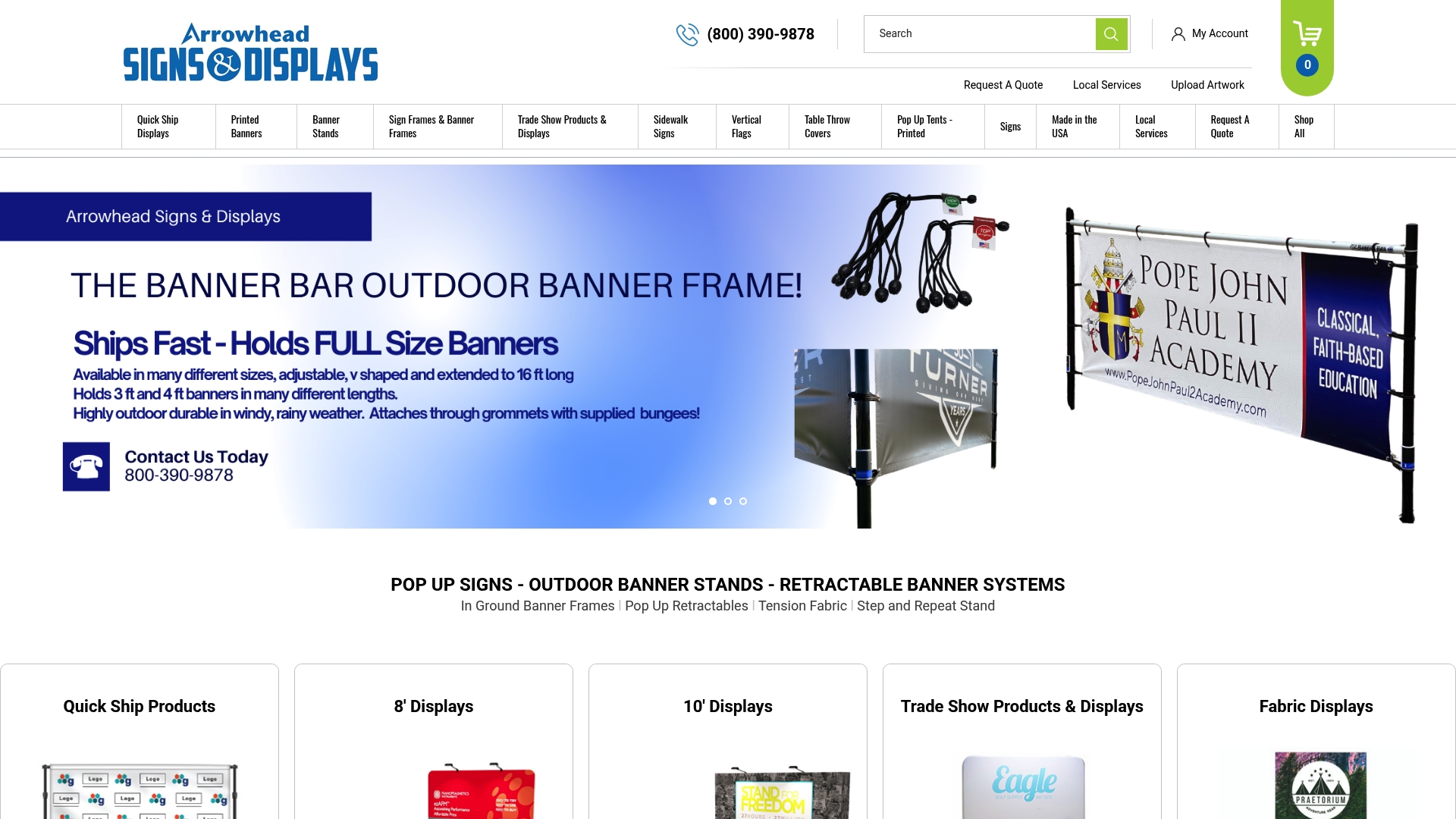
- Extend your reach outdoors with an Outdoor Banner Frame from The Banner Bar for weatherproof exterior promotion.
If you need window lettering or a full event display kit on a tight deadline, request a quote on our printed banners page and we will help you match the right material to your timeline.
FAQ
What’s the main difference between a window cling and a decal?
The core difference is the adhesive: removable commercial window films are built to release cleanly from glass, often within about a year, while permanent decals use a stronger acrylic adhesive meant to last for years. That single choice drives everything else, from how long the graphic survives outdoors to how hard it is to remove.
How long do removable window films actually last?
Removable films are typically rated for clean removal within about a year, though the printed surface can sometimes hold up longer outdoors. Nekoosa’s Sign-Ad Clear, for example, offers clean removability within a year alongside total outdoor durability up to roughly 4 years.
Can I remove a permanent vinyl decal myself?
You can attempt it, but permanent acrylic adhesives are designed to bond tightly, and manual removal risks pulling paint or leaving residue behind. For storefront glass or vehicle surfaces where damage matters, hiring a professional installer to strip the decal is the safer route.
Do window graphics work on textured or painted surfaces?
Most commercial window films and decals are engineered for smooth glass, and textured or painted metal surfaces need adhesives and surface prep suited to that substrate. Always confirm the recommended surface type on the product data sheet before ordering.
How fast can I get custom window lettering made?
Turnaround depends on the material and finishing you choose, so confirming production time with your supplier upfront avoids surprises. Most products ship within two business days, which makes it a practical option when you’re working against an event deadline.