

Save on Shows: Best Pop Up Displays That Reuse Frames, Ship in Two Days
Posted by Deeder Dandenhorf on Sep 23rd 2026
Save on Shows: Best Pop Up Displays That Reuse Frames, Ship in Two Days
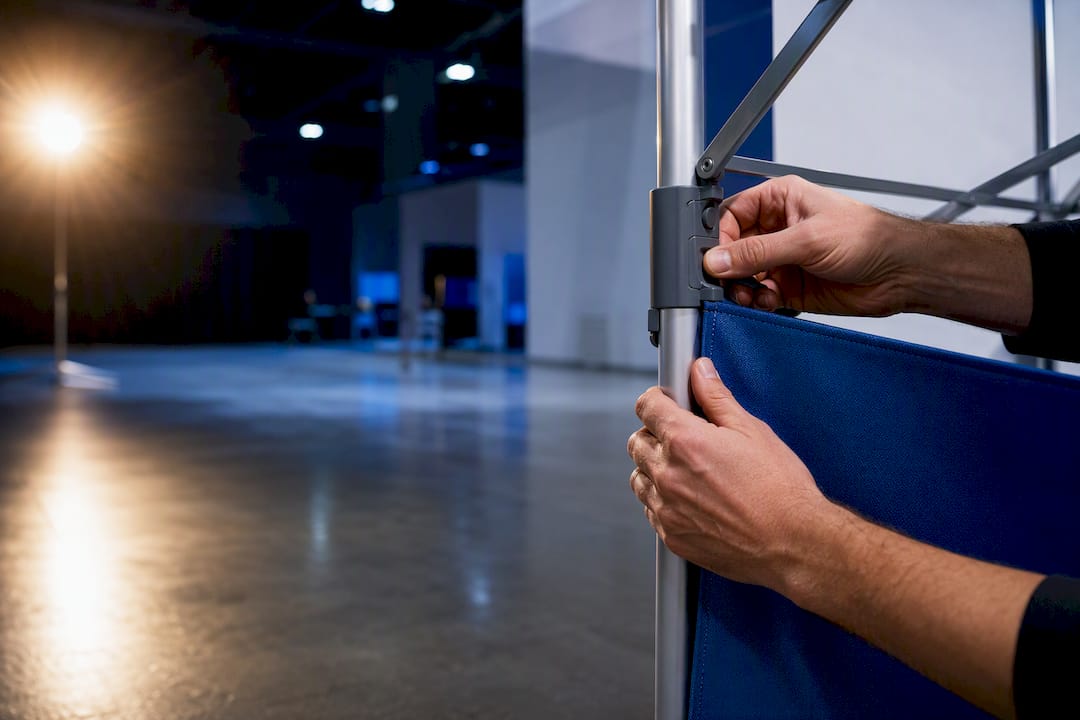
Choose your display format based on booth footprint, transport needs, and how often you’ll swap graphics, not brand hype. Portable pop-up walls suit exhibitors who need fast setup and moderate visual punch. Tension fabric and SEG systems deliver a premium, taut finish for backlit or high-traffic booths. Banner stands cover ultra-portable, budget-conscious needs. Several suppliers stock all three formats, sometimes with quick-ship options for exhibitors on tight timelines.
TL;DR:
- Pop-up frames and banner stands typically weigh under 100 pounds, making them suitable for airline and ground-shipping limits, but support for accessories varies.
- Setup times range from minutes for banner stands to about 20-30 minutes for pop-up and fabric walls, requiring two people and sometimes tools.
- Check booth dimensions, lead times, and attachment methods thoroughly before ordering, and consider ordering spare graphics if multiple shows are scheduled.
- Reusable SEG fabric walls are preferred for backlighting and wrinkle-free visuals, but pillowcase fabrics are lighter and easier to pack, with opacity and stretch direction important factors.
- Many suppliers can ship within two business days, but proof approval often delays delivery, so built-in buffer time before the show is essential.
Table of Contents
- Best Pop Up Displays: A Quick Shortlist by Use Case
- How Do Pop-Up Frames, Tension Fabric, and Banner Stands Compare?
- What Should You Check Before Ordering a Pop-Up Display?
- Which Fabric or Graphic Material Should You Choose?
- How Long Does Setup Really Take, and Who Handles It?
- What Are the 2025–2026 Trends Shaping Pop-Up Displays?
- What Warranty, Service, and Return Terms Should You Expect?
- What Should You Budget for a Pop-Up Display?
- Who Are the Reputable Suppliers, and What Sets Them Apart?
- How Much Do Custom Shapes, Lighting, and Accessories Cost?
- How Long Does Delivery Take From Order to Show Day?
- What I Tell Every Small Exhibitor About Pop-Up Displays
- Ready to Order? Here Are the Displays We Recommend
- Sources
- FAQ
Best Pop Up Displays: A Quick Shortlist by Use Case
You don’t need to research every format on the market. Three categories cover the vast majority of exhibitor needs, and each one solves a different problem.
- Portable pop-up wall: Best for exhibitors who need quick setup and solid visual impact without a big crew. A 10 ft stretch fabric display gives you that SEG-style finish with a lighter footprint than a traditional truss frame.
- Tension/SEG fabric wall: Best when you want premium, wrinkle-free graphics and the option to backlight your booth for extra shelf appeal on a crowded show floor.
- Banner stands: Best for ultra-portable setups, tight budgets, or building a modular wall out of multiple units. Banner stands from Arrowhead Sign Company work well stacked side by side or used solo at a satellite table.
- Outdoor and sidewalk formats: The Outdoor Banner Frame (The Banner Bar) and the Signicade Deluxe A-Frame Sidewalk Sign cover foot-traffic capture outside the main hall or at street-level events.
Before you commit to any of these, check your exact booth dimensions and ask about lead time. A display that looks perfect online can still arrive too wide for a 10x10 space once pipe-and-drape eats into your usable footprint.
How Do Pop-Up Frames, Tension Fabric, and Banner Stands Compare?
Conventional pop-up displays rely on a collapsible truss frame, most commonly built in 8 or 10 foot nominal widths. That word “nominal” matters more than most first-time exhibitors realize. Venue pipe-and-drape hardware and neighboring booth structures can shrink your usable footprint well below the advertised width, so always check the exhibitor manual before ordering graphics sized to the max.
Tension fabric and SEG (silicone-edge graphic) walls trade some of that truss-frame simplicity for a cleaner finished look, since the silicone edge seats directly into an aluminum channel for a taut surface with no visible seams. Banner stands skip the frame structure entirely. A retractable base and pole system rolls up small and travels light, which makes it the natural choice when you’re shipping to multiple shows back to back.
Here’s how the three stack up on the factors that actually affect your show-day experience:
- Packed weight: Pop-up frames and banner stands both tend to fall under 100 pounds fully packed, which keeps them within reach of most airline or ground-shipping limits.
- Setup time: Banner stands assemble in minutes with zero tools; pop-up frames and fabric walls generally need two people and roughly 20 to 30 minutes.
- Accessory support: Pop-up and tension frames accept lights, monitor mounts, and counter attachments far more readily than a standalone banner stand.
- Graphic replacement: Magnetic panels and hook-and-loop systems let you swap graphics quickly; pillowcase and SEG fabric need a slip-fit change that takes a bit more care but produces a cleaner result.
The right pick depends on how the display is used, not which one photographs best in a catalog comparison. If you’re still deciding between formats, a closer look at pop-up display comparison criteria can help narrow things down before you request a quote.
What Should You Check Before Ordering a Pop-Up Display?
Most costly display mistakes happen before the order ships, not after. Run through this list before you click “buy”:
- Confirm your usable booth footprint. Pull the exhibitor manual and measure against pipe-and-drape and adjacent booths, not just the nominal 8 or 10 foot width printed in the catalog.
- Check packed dimensions and weight. Get shipping and storage limits from the venue, and confirm in writing whether self-install is allowed or whether union labor rules apply.
- Verify the graphic attachment method. Ask whether the frame uses magnets, hook-and-loop, a pillowcase sleeve, or an SEG channel, since replacement specs vary widely between systems.
- Request fire documentation and setup instructions. Most convention centers require flame-retardancy certificates for fabric and banner materials, and you’ll want written setup steps for staff who weren’t at the original install.
- Lock in proof deadlines and shipping lead times. Confirm how many rounds of proof approval you get and where the display ships, especially if you’re running back-to-back shows.
Pro Tip: Order a spare printed panel alongside your first display if you’re exhibiting at consecutive shows. A torn or stained graphic with no backup can sideline an otherwise perfect booth.
A full version of this list, with room to check off each step, lives in the trade show display checklist for small business exhibitors.
Which Fabric or Graphic Material Should You Choose?
SEG (silicone-edge graphic) fabric gives you the cleanest, most finished look on the show floor, particularly for backlit applications, because the silicone seam locks into an aluminum channel and pulls the fabric drum-tight with no visible wrinkles or bunching. Pillowcase fabric, which slips over the frame like a fitted sheet, weighs less and packs smaller, but it often needs steaming or hanging time after shipping to work out travel wrinkles.
Beyond SEG versus pillowcase, ask your supplier about opacity, stretch direction, and lighting compatibility before you approve final art. Two-way stretch fabrics look great on a mannequin but can distort a logo or grid pattern when tensioned across the wrong axis, and solid fabrics generally outperform stretch weaves for backlighting and projection.
- Solid fabric: best for backlit displays and clean projection surfaces.
- Stretch fabric: best for curved frames, but riskier for geometric or gridded artwork.
- Mesh or sheer fabric: best for airflow-sensitive outdoor applications, though it reduces color saturation.
A 2025 survey of trade-show trends found that reusable components and silicone-edge graphics were among the top format shifts exhibitors made, which tracks with how often repeat exhibitors now ask for SEG on new orders. Always request a physical fabric sample and a copy of the flame certificate before you finalize the order.
How Long Does Setup Really Take, and Who Handles It?
Most portable exhibits weigh under 100 pounds and assemble in about 30 minutes or less with two people and no tools. That’s the industry guideline, but it isn’t universal. Some convention centers enforce union labor rules or material-handling fees even for lightweight pop-up systems, so confirm self-install permission in writing before you assume your team can set up solo.
- Ask the venue directly whether material handling applies to your specific display weight and size.
- Budget extra time if you’re adding lights, monitor mounts, or a counter to a base frame.
- Choose a packing case with wheels, foam padding, and dedicated compartments for lights or electronics.
Pro Tip: A well-built case is cheap insurance. Replacing a cracked frame panel costs far more than upgrading to a padded, wheeled case up front.
What Are the 2025–2026 Trends Shaping Pop-Up Displays?
Trade-show design in 2025 leaned hard into reusable frames, silicone-edge graphics, lighter materials, and LED or AV integration, a shift driven partly by rising onsite labor and shipping costs. Exhibitors are buying hardware that supports graphic swaps over multiple shows instead of ordering a new frame every time messaging changes.
A 2025 survey of more than 200 event professionals found that personalization and customization ranked highest at 54%, with multisensory activations close behind at 40%. That data point matters for how you use your display, not just what you buy. Treat the pop-up as the visual anchor for one clear action, not the entire experience.
- Use the display as a backdrop for a live product demo instead of a static graphic wall.
- Set up a quick consultation counter in front of a tension fabric backdrop.
- Run a sampling station where the banner stand frames the offer, not the whole pitch.
For more activation ideas built around these trends, the 2026 trade show display idea roundup walks through several formats exhibitors have used to turn foot traffic into conversations.
What Warranty, Service, and Return Terms Should You Expect?
Warranty coverage on pop-up frames typically runs from one to several years depending on the manufacturer and the specific hardware line, while printed graphics usually carry a shorter coverage window since fabric and vinyl wear differently than aluminum components. Before you buy, ask directly what the warranty covers: frame hardware, print quality, or both.
Return policies on trade-show displays differ sharply from typical retail returns. Because most graphics are custom-printed to your artwork, expect limited or no returns once a print job goes to production. Frame hardware without custom graphics may qualify for exchange if it arrives damaged or defective, but that window is usually short, often just a matter of days after delivery.
Service matters just as much as the paper warranty. Ask your supplier directly:
- Does the warranty cover just the frame, or graphics too?
- What’s the process for a damaged component, and is there a rush-replacement option before your next show?
- Are repair parts (poles, connectors, cases) sold individually, or do you need to replace the whole unit?
Some suppliers ship most products within two business days, which shortens the gap if something needs replacing before your next event. Confirm specific warranty terms for your product line directly with the supplier before you order, since coverage details vary by product category and aren’t always spelled out on the product page itself.
What Should You Budget for a Pop-Up Display?
Pricing varies widely by format, size, and graphic complexity, and no single number represents the category. Banner stands sit at the entry-level end of the spectrum, since they use less hardware and smaller print runs. Standard pop-up truss frames with fabric or panel graphics cost more, scaling up with booth width and any added lighting. Tension fabric and SEG systems typically command the highest prices in the portable category, reflecting the aluminum channel hardware and the more labor-intensive silicone-edge print process.
Beyond the base unit, budget for a few line items that often get overlooked during initial quoting:
- Printed banner add-ons. A standard banner layout service runs $35 as a one-time design fee if you need help formatting your artwork correctly for print.
- Shipping speed. Next Day Air service adds $10 when you need a banner in hand fast, which is worth budgeting for if your show date is close.
- Spare graphics. A second printed panel adds cost up front but saves you from delays if you’re running consecutive shows with a short turnaround between them.
- Accessories. Lighting kits, counter attachments, and monitor mounts each add incremental cost but extend how the display functions on the floor.
Exact pricing for frames, tension fabric walls, and specialty products isn’t published across every product line, so request a quote directly for your specific size and graphic needs. That’s standard practice across the industry, not a red flag, since custom print work depends on artwork complexity and material choice.
Who Are the Reputable Suppliers, and What Sets Them Apart?
The pop-up display market splits roughly into three supplier types: large national print-and-display companies, regional shops with local service, and marketplace resellers who drop-ship from overseas manufacturers. Each comes with real tradeoffs.
National suppliers usually offer the widest catalog and can handle large multi-booth orders, but turnaround times often run longer and support can feel impersonal once your order leaves the queue. Marketplace resellers tend to win on price, but proof approval and quality control vary enormously since you’re often buying from a listing rather than a direct relationship with the print shop.
Regional suppliers with local service, like Some regional suppliers compete on speed and direct communication. They ship most products within two business days, and certain clients may have access to direct delivery to their event venue rather than shipping through a third-party freight carrier. That local delivery option removes one of the more stressful parts of show-day logistics: hoping your freight arrives on time.
When comparing suppliers, ask about:
- Fulfillment speed. How many business days from art approval to shipment?
- Proof process. How many rounds of revisions are included before final print?
- Local versus national service. Does the supplier offer direct delivery, or does everything ship freight?
- Product range. Can they cover banner stands, tension fabric, tents, and signage under one order, or will you juggle multiple vendors?
A supplier that answers those four questions clearly is usually a safer bet than one that only publishes a price list.
How Much Do Custom Shapes, Lighting, and Accessories Cost?
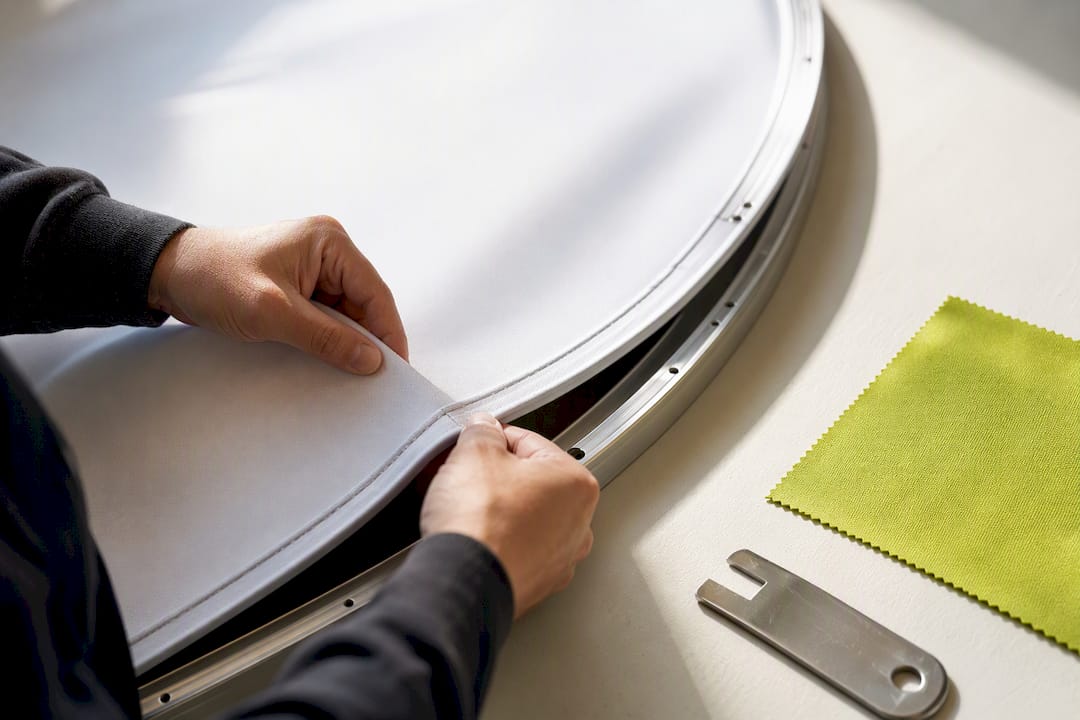
Standard rectangular pop-up walls and banner stands cover most exhibitor needs, but custom shapes, backlighting, and add-on accessories change both the price and the visual impact of your booth.
Custom-shaped tension fabric frames, curved walls, and arch structures cost more than a flat rectangular wall because they require specialized frame hardware and precisely cut fabric panels. If your brand has a distinctive logo shape or you want a rounded backdrop instead of a flat wall, expect a longer production timeline alongside the higher price.
Lighting is one of the more cost-effective upgrades available. Backlighting an SEG fabric wall makes colors pop under convention-center fluorescents, and a simple LED light kit clipped to a pop-up frame can noticeably brighten a dim corner booth. Monitor mounts and counter attachments add functional value too, letting you run video loops or product demos without a separate table taking up floor space.
Common accessory categories worth budgeting for:
- Backlighting kits for SEG or tension fabric walls.
- Monitor mounts built into the frame for video content.
- Counter attachments for literature, samples, or a point-of-sale spot.
- Carrying cases with wheels and padded compartments for lights and electronics.
If your artwork needs professional photography to look sharp at booth scale, it’s worth reviewing options for product photography for launch-ready visuals before you send final files to print. A blurry hero image blown up to 8 feet wide is one of the most common (and most avoidable) display mistakes.
How Long Does Delivery Take From Order to Show Day?
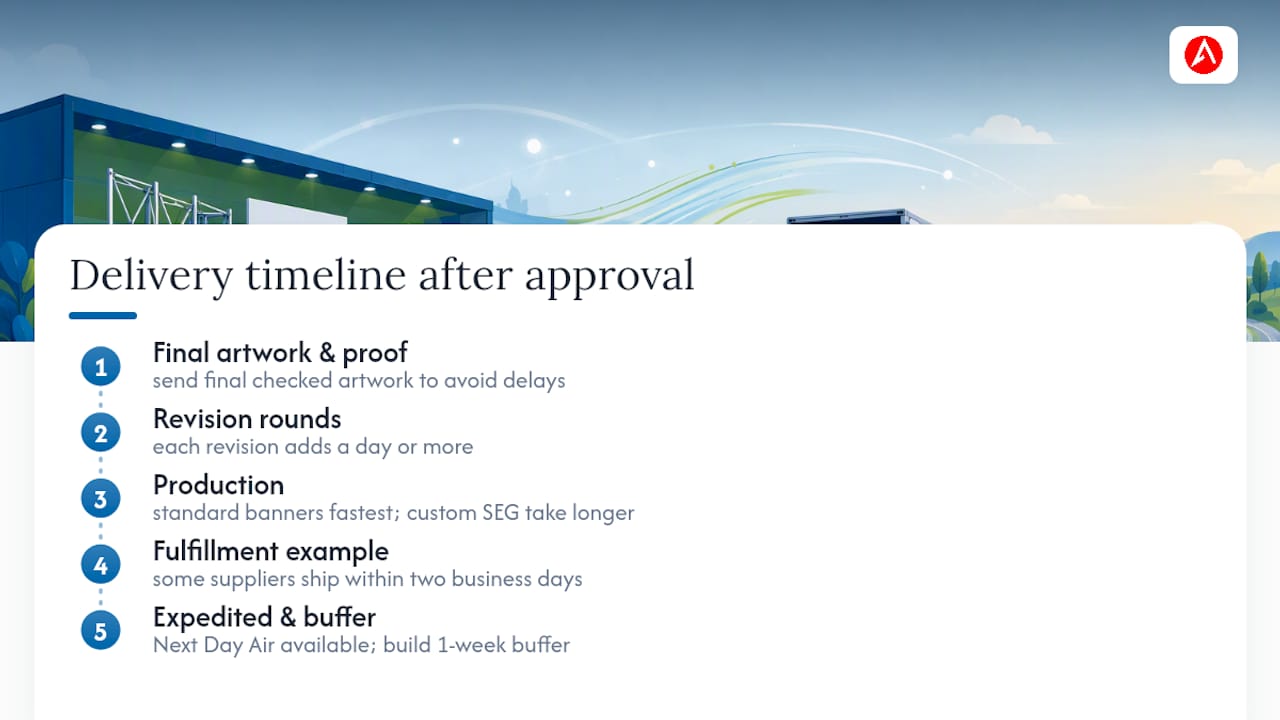
Delivery timelines depend heavily on graphic complexity, proof rounds, and shipping distance, but a few general patterns hold across the industry. Standard banner stands and simple printed banners typically ship fastest, since the print and hardware assembly process is straightforward. Custom tension fabric walls and specialty shapes take longer because of the extra production steps involved in cutting and sewing SEG panels.
Some suppliers ship most products within two business days of proof approval, which is faster than many national suppliers whose production queues can run a week or more before an order even enters print. If you need something even faster, the Next Day Air option adds expedited shipping once your artwork is approved.
The real timeline bottleneck for most exhibitors isn’t production. It’s proof approval. Every round of revision adds a day or more to your total timeline, so send final, checked artwork the first time whenever possible. Build in buffer time between your expected delivery date and your show date, ideally a week or more, so a shipping delay doesn’t turn into a show-floor emergency.
If you’re planning multiple shows across a season, ordering everything at once and storing the extra display between events often beats placing rush orders show by show.
What I Tell Every Small Exhibitor About Pop-Up Displays
Small teams win by buying hardware that outlasts a single show, not by chasing the flashiest booth on the floor. Reuse the same frame across events, keep your shipped weight under control, and always travel with a spare graphic panel. A torn banner with no backup does more damage to your booth than a slightly dated design ever will.
Choose quick-ship when your timeline is tight or your needs are standard. Save custom production for centerpiece pieces where the extra lead time pays off in visual impact. For deeper implementation help, our lead-generation guide for trade show displays covers staffing and follow-up.
— Dan
Ready to Order? Here Are the Displays We Recommend
If premium finish is your priority, the 10 ft stretch fabric display gives you an SEG-style taut backdrop without the price tag of a fully custom fabric wall, and it ships within two business days of proof approval.
For outdoor events or entryway visibility, the Outdoor Banner Frame, known as The Banner Bar, adjusts between 6 and 8 feet and holds up under wind and foot traffic better than a standard indoor stand. Pair it with the Signicade Deluxe A-Frame Sidewalk Sign to catch attendees before they even reach your booth, since it comes with two interchangeable prints for directional messaging or promotions.
One supplier has built a model around getting exhibitors display-ready fast, with many products shipping within two business days and offering direct venue delivery for some local clients. That means potentially less time waiting on freight and more time focusing on booth setup before doors open. Browse the full trade show products and displays lineup, request a proof on your artwork, or check current lead times before your next show to lock in your delivery window.
Sources
- Portable/Modular Purchasing Guide
- Today’s top trends in trade show booths
- 2025 BizBash/Czarnowski white paper
FAQ
How Much Does a 20x20 Trade Show Booth Cost?
Cost varies enormously based on display type, custom graphics, and whether you rent or buy hardware, so there’s no single industry-wide figure to quote. Your biggest cost levers are booth size, custom shapes versus standard rectangular walls, and how much lighting or AV you add, so request a quote based on your exact footprint and graphic needs.
What Are Some Good Trade Show Swag Ideas for 2026?
Personalization and multisensory items are outperforming generic branded giveaways this year, echoing the 54% of event professionals who prioritized personalization in a recent survey. Consider items tied directly to your product demo or sampling station rather than a generic pen or tote bag.
What Is an Example of a Successful Event Pop-Up?
A well-run pop-up pairs a portable display with a clear, single action for visitors, such as a live product demo, a quick consultation, or a sample station framed by the backdrop. Booth activation research shows that a smaller, well-staffed setup with strong visitor engagement often outperforms a larger, passive display.
What Are the Best Trade Show Displays for Small Businesses?
The best pop-up displays for most small exhibitors are portable pop-up walls, tension fabric or SEG systems, and banner stands, chosen based on booth size, transport needs, and how often graphics get updated. Some suppliers offer all three formats with quick-ship turnaround for exhibitors working against a show deadline.
How Do I Choose Between a Pop-Up Frame and a Tension Fabric Wall?
Choose a pop-up frame if you want faster graphic swaps using magnetic or hook-and-loop panels and a lower overall price. Choose tension fabric or SEG if a wrinkle-free, premium finish and backlighting compatibility matter more than cost, since SEG systems produce a taut, seamless surface that standard panel graphics can’t fully match.