

What Is a Hanging Fabric Display? A Trade Show Guide
Posted by Deeder Dandenhorf on Jul 13th 2026
What Is a Hanging Fabric Display? A Trade Show Guide
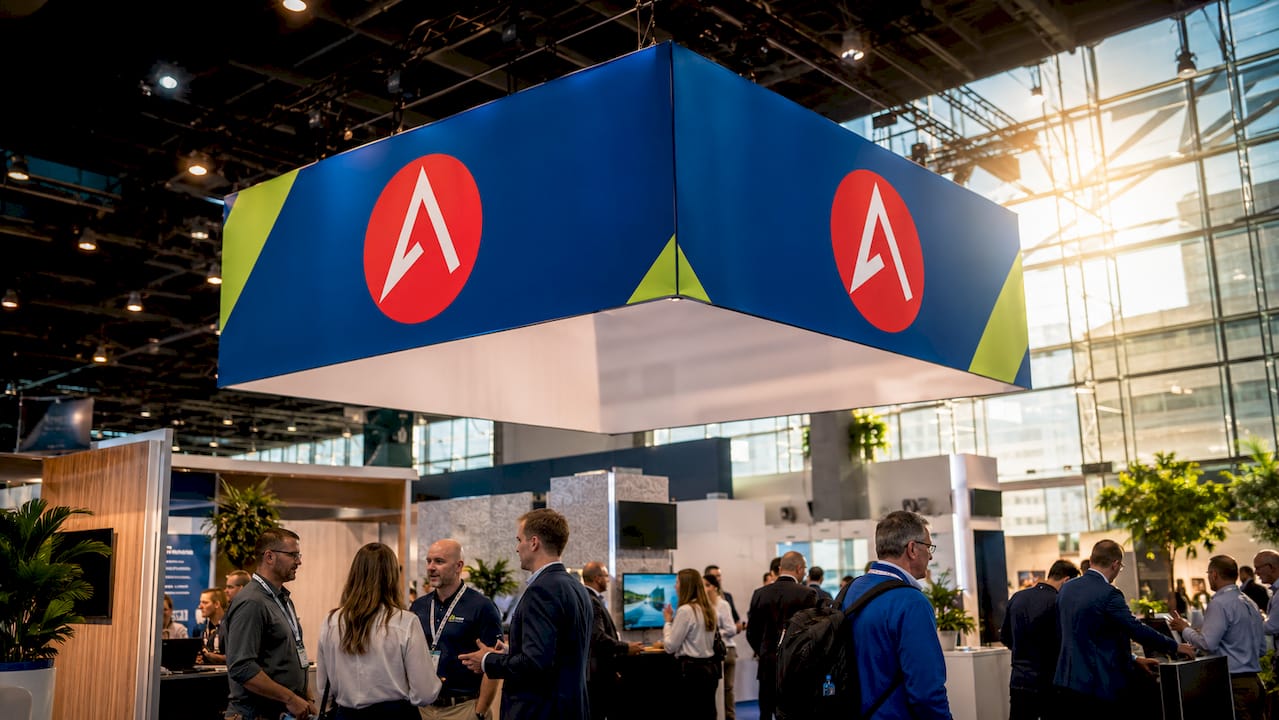
A hanging fabric display is a suspended fabric graphic system that elevates your brand above head level at trade shows, events, and retail activations. Industry professionals call these “tension fabric displays” or “hanging tension structures,” and both terms describe the same product: a printed fabric skin stretched over a lightweight aluminum frame, rigged from the ceiling to create a 360-degree visual presence. Arrowhead Sign Company - Signs, Banners and Trade Show Displays works with businesses across Arizona and beyond to produce these displays with fast turnaround times, helping exhibitors show up with confidence at every event.
What is a hanging fabric display made of?
Tension fabric displays combine lightweight aluminum frames with printed fabric that stretches tightly over the structure, creating a seamless, modern appearance distinct from static fabric signs. The result is a clean, wrinkle-resistant graphic surface that looks polished from every angle. That visual quality is what separates tension fabric from older vinyl banner formats.
The fabric itself is almost always dye-sublimated stretch fabric. Dye sublimation is a printing process that bonds ink directly into the fabric fibers at high heat, producing vivid, photo-quality graphics that resist fading. Practitioners prioritize this method because it delivers high-resolution graphics with no visible dot patterns or color banding, even at large sizes.
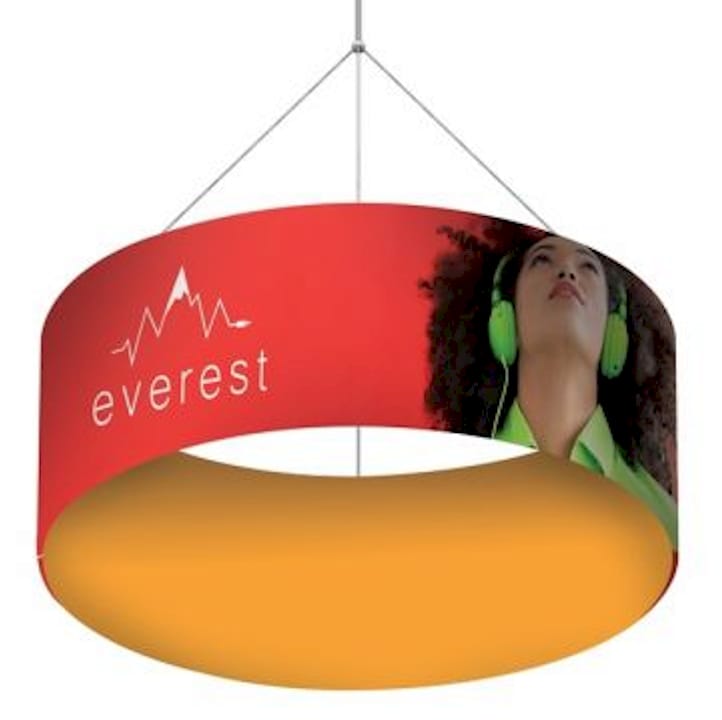
Fabric type affects more than just print quality. Opaque fabrics offer better color coverage and stronger brand vibrancy, making them the standard choice for logo-heavy designs. Sheer fabric options allow light to pass through, creating a layered, softer ambiance effect suited to hospitality or stage settings. Choosing between the two depends on your venue lighting and the visual effect you want to create.
Pro Tip: Always request a fabric swatch from your display supplier before placing a full print order. Sheer and opaque fabrics render the same design very differently under trade show lighting.
One compliance factor many exhibitors overlook is flame-retardant certification. Flame-retardant documentation is mandatory for indoor exhibit hall compliance in North American trade show venues. Without it, venue staff can require you to remove your display on the day of the show. Confirm your supplier provides a certificate of flame retardancy with every fabric order.
Fabric and frame comparison
| Feature | Dye-sublimated stretch fabric | Standard printed fabric |
|---|---|---|
| Print quality | Photo-quality, vibrant | Good, but less sharp at scale |
| Flame-retardant option | Yes, widely available | Varies by supplier |
| Reusability | High, fabric is washable | Moderate |
| Frame compatibility | Aluminum tension frames | Grommeted or pole-pocket frames |
| Best use | Trade shows, events | Short-term promotions |
How do hanging fabric displays boost brand visibility?
A suspended sign extends visual reach beyond traditional floor-level displays and guides foot traffic organically across crowded exhibition halls. Floor-level signage competes with hundreds of other booths at eye level. A hanging display sits above all of that, visible from 50 to 100 feet away depending on hall size.
The shape of your hanging display sends a message before anyone reads a word of copy. Circular or tapered ring displays convey a premium, approachable brand feel, while squares and rectangles communicate strong architectural presence. Custom 3D shapes provide high-impact storytelling possibilities, though they come at higher cost and complexity. Matching your display shape to your brand personality is a design decision worth making early.
“Well-designed hanging structures increase brand visibility dramatically in crowded trade show environments by utilizing overhead space that most exhibitors leave completely empty.”
Here is how hanging fabric displays create a measurable booth advantage:
-
Overhead visibility. Your brand appears above the crowd, readable from across the hall before attendees reach your aisle.
-
360-degree branding. Multi-directional logo placement means every angle of foot traffic sees your name.
-
Vertical space use. Most exhibitors use only the floor footprint. A hanging display claims the vertical column above your booth at no additional floor cost.
-
Internal lighting compatibility. Many aluminum frame structures accept LED lighting kits, which make your display glow and stand out in dimly lit halls.
-
Psychological authority. A large overhead presence signals investment and professionalism, which builds attendee confidence before any conversation starts.
The psychological impact is real. Attendees walking a busy trade show floor make split-second decisions about which booths to approach. A hanging display that is visible from a distance gives your booth a landmark quality. People tell each other “meet me at the big circular sign,” and that kind of organic wayfinding is free marketing.
Design and installation considerations for hanging displays
Choosing the right size starts with your booth footprint and your venue’s height regulations. Most large convention centers allow hanging displays up to 20 feet high, but smaller venues cap rigging at 12 to 16 feet. Confirm the ceiling height and rigging rules with your venue coordinator before you finalize your display dimensions.
Most venues provide rigging points designed to safely hold lightweight hanging displays according to venue height and weight limits. Correct installation is critical to both compliance and safety. Never assume you can attach a hanging display to a venue’s structural elements without prior approval. Submit your rigging plan to the venue’s official rigging contractor early, since many shows require advance paperwork.
Hanging banners typically use lightweight fabric wrapped over aluminum frames for easy transport and installation. That modularity is a practical advantage: the frame breaks down into sections that fit into a carry bag or rolling case, and most setups require no tools beyond a rubber mallet. A standard 10-foot circular display can be assembled by two people in under 30 minutes.
Key design and installation checkpoints:
-
Booth-to-display ratio. A 10x10 booth typically suits a 10-foot diameter circular display. A 20x20 booth can support larger or multi-unit configurations.
-
Color and logo orientation. Design your graphic so your logo reads correctly from all four sides. Avoid text-heavy designs that require attendees to walk around the display to read the full message.
-
Fabric finish. Matte finishes reduce glare under harsh trade show lighting. Glossy finishes can create hotspots under direct overhead lights.
-
Weight limits. Aluminum-framed tension fabric displays are lightweight by design, but always verify the total weight including lighting hardware against your venue’s rigging limit.
-
Setup time planning. Build in at least 60 minutes for hanging display installation on move-in day, separate from your booth setup time.
Pro Tip: Order a backup fabric graphic printed at the same time as your main display. Fabric can tear during transport, and having a spare on hand costs far less than an emergency reprint.
For a broader look at event signage installation, including rigging logistics and compliance steps, that guide covers the full process in practical detail.
Creative applications beyond trade shows
Hanging fabric displays work in any setting where vertical space is available and brand presence matters. The trade show context gets the most attention, but the applications extend well beyond convention centers.
-
Conference and corporate events. Hanging displays above registration desks or stage backdrops reinforce brand identity throughout a full-day event without requiring floor space.
-
Retail activations. Pop-up shops and in-store promotions use hanging fabric signage to draw attention from shoppers in adjacent aisles or across open-plan retail floors.
-
Photo zones and social media backdrops. A printed fabric backdrop hung at the entrance of a venue or behind a branded photo station creates consistent, shareable imagery. For more custom banner applications at events, there are dozens of creative formats worth considering.
-
Hospitality and venue branding. Hotels, restaurants, and event spaces use sheer fabric panels as decorative room dividers or ambient lighting diffusers, combining function with brand storytelling.
-
Stage and entrance framing. Large fabric panels hung above a stage entrance or doorway create a dramatic visual frame that photographs well and sets the tone for the event.
The flexibility of fabric as a medium makes these applications practical. Fabric folds, packs flat, and ships inexpensively compared to rigid signage. A single display can serve a trade show in march, a corporate gala in june, and a retail activation in september, all with the same hardware and a fresh fabric graphic for each occasion.
Key Takeaways
Hanging fabric displays are the most effective way to claim vertical space at trade shows and events, combining lightweight aluminum frames with dye-sublimated fabric for maximum visual impact.
| Point | Details |
|---|---|
| Core definition | A hanging fabric display is a suspended tension fabric graphic system rigged above booth level. |
| Material standard | Dye-sublimated stretch fabric over aluminum frames delivers the best print quality and reusability. |
| Compliance requirement | Flame-retardant certification is mandatory for indoor North American trade show venues. |
| Visibility advantage | Overhead placement makes your brand visible from across the hall, above all floor-level competition. |
| Versatile applications | These displays work at trade shows, retail activations, conferences, and hospitality events. |
Why I think most exhibitors underuse vertical space
Most exhibitors I talk to spend their entire display budget on table covers, retractable banners, and booth backdrops. Those are all good investments. But the ceiling above your booth is free real estate that almost nobody claims.
The cost argument against hanging displays is real. Aluminum-framed tension fabric structures typically start around $2,500, and custom 3D shapes push that number higher. That is a meaningful investment for a small business. But when I look at the cost per impression across a three-day trade show with thousands of attendees walking past, the math usually favors the overhead display over a second retractable banner.
The mistake I see most often is treating the hanging display as an afterthought. Businesses order it last, design it quickly, and then wonder why it does not match the rest of their booth. The displays that work best are designed as part of a unified visual system, where the hanging graphic, the backdrop, and the table cover all share the same color palette and logo treatment.
The future of fabric displays is moving toward modular systems that combine hanging structures with floor-level tension fabric walls. That integration creates a fully branded environment rather than a collection of separate signs. If you are planning your booth for 2026 or beyond, think about your display as a room, not a sign.
— Dan
Ready to add a hanging display to your next event?
Arrowhead Sign Company - Signs, Banners and Trade Show Displays offers a range of fabric display options built for exhibitors who need quality and speed. The 10 ft stretch fabric display is a versatile starting point for businesses that want a polished, professional presence without the complexity of a full overhead rig.
For outdoor events or mixed-use setups, the adjustable outdoor banner frame pairs well with fabric graphics and handles wind and weather. Most products ship within two business days, and the team offers direct delivery to venues across Arizona. Contact Arrowhead Sign Company - Signs, Banners and Trade Show Displays for a custom quote and professional guidance on the right display configuration for your next event.
FAQ
What is the difference between a hanging fabric display and a banner?
A hanging fabric display is a three-dimensional tension structure rigged from the ceiling, while a banner is a flat printed panel attached to a stand or wall. Hanging displays offer 360-degree visibility that banners cannot match.
Do I need special permission to hang a fabric display at a trade show?
Yes. Most venues require you to submit a rigging plan and use the venue’s approved rigging contractor. Always confirm height limits, weight limits, and paperwork deadlines with your show coordinator before the event.
What shapes are available for hanging fabric displays?
Common shapes include circular, square, rectangular, and triangular. Custom 3D shapes are also available and offer strong visual impact, though they require more lead time and budget than standard configurations.
How long does it take to set up a hanging fabric display?
A standard 10-foot aluminum-framed display typically takes two people about 30 minutes to assemble. Budget an additional 30 minutes for rigging attachment and final positioning on move-in day.
Are hanging fabric displays reusable?
Yes. The aluminum frame is fully reusable, and dye-sublimated fabric graphics can be washed and stored between events. Ordering a replacement fabric graphic is far less expensive than replacing the entire display.