

Why Weather Resistant Signs Matter for Outdoor Brands
Posted by Deeder Dandenhorf on Jun 27th 2026
Why Weather Resistant Signs Matter for Outdoor Brands
Weather resistant signs are signage solutions designed to maintain visibility, structural integrity, and aesthetic appeal despite exposure to rain, sun, wind, and temperature swings outdoors. The industry term for this category is weatherproof signage, and it covers everything from aluminum monument signs to vinyl banners with UV overlaminates. Understanding why weather resistant signs matter outdoors is the difference between a sign that works for a decade and one that fades within a season. Standard outdoor signs need replacement every 5–8 years due to UV and environmental damage, while professional-grade materials extend that life to 10–15 years or more. Arrowhead Sign Company - Signs, Banners and Trade Show Displays builds outdoor signage products with durability and brand impact in mind, helping businesses get real return from every sign they place outside.
Why weather resistant signs matter outdoors
Environmental exposure is the single biggest threat to any outdoor sign. UV radiation, moisture, wind, and temperature cycling all work together to break down materials faster than most business owners expect.
UV radiation and photodegradation are the most damaging forces on outdoor signage. UV rays degrade pigments chemically, causing color shifts and fading through a process called photodegradation. Specialized UV stabilizers and protective films slow this process, but no coating stops it entirely. That means material selection matters as much as any coating you apply.
Moisture, humidity, and condensation attack signs from the inside out. Water infiltrates seams, warps substrates, and causes adhesives to fail. High-pressure laminate signs are particularly vulnerable because HPL is hygroscopic, meaning it absorbs moisture. Freeze-thaw cycles cause internal stresses in HPL panels, leading to delamination and fading within 5–8 years even when the print quality is high.
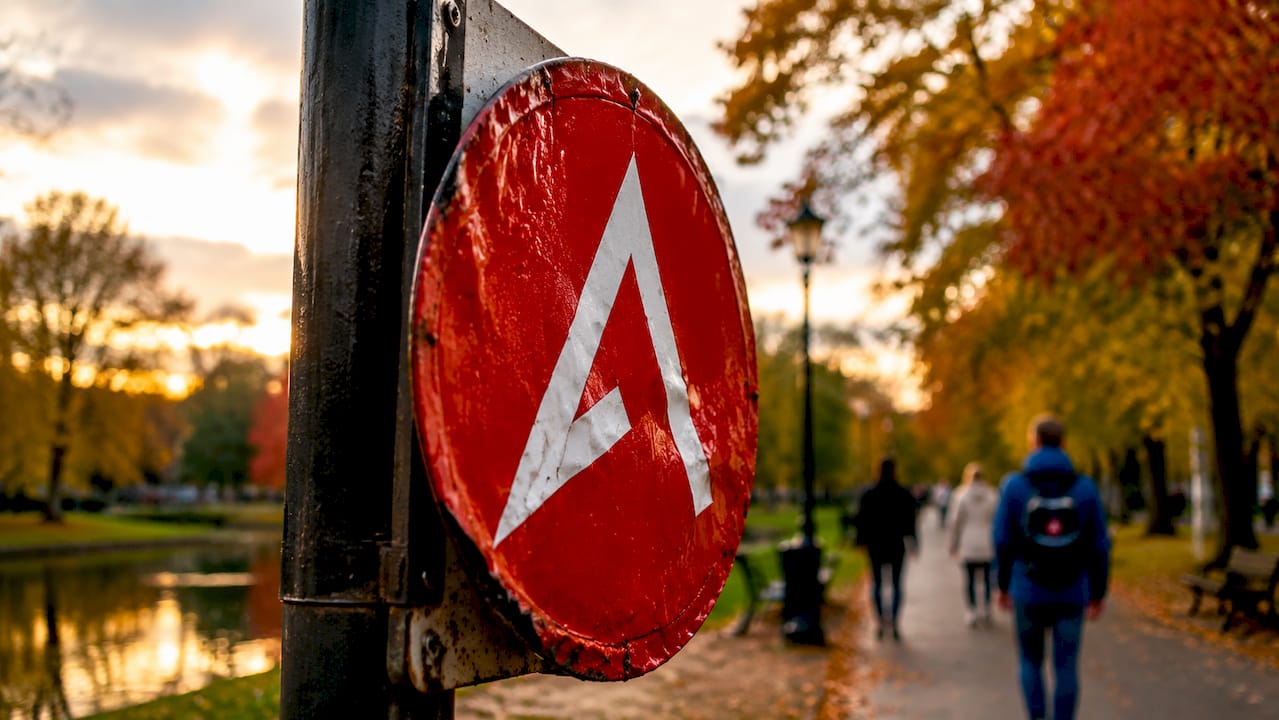
Wind and physical stress create structural fatigue over time. A sign that survives one storm may develop micro-fractures that let moisture in during the next rain. ACM panels handle wind loads above 30 mph far better than corrugated plastic, which is why material choice directly affects structural longevity.
| Environmental threat | How it damages signs | Protective measure |
|---|---|---|
| UV radiation | Fades pigments, weakens substrates | UV stabilizers, overlaminate films |
| Moisture and humidity | Warps, delamination, adhesive failure | Sealed edges, waterproof substrates |
| Wind and physical stress | Structural fatigue, cracking | Rigid substrates like ACM or aluminum |
| Temperature cycling | Internal stress, delamination | Thermally stable materials, powder coatings |
| Pollutants and debris | Surface scratching, chemical degradation | Matte laminates, protective coatings |
Pro Tip: Position signs in shaded or semi-sheltered locations whenever possible. Direct southern exposure in the American Southwest can cut a sign’s lifespan by a third compared to a north-facing or shaded installation.
What are the best materials for outdoor signs?
Material choice is the foundation of outdoor sign durability. The substrate you select determines how well your sign handles every environmental stressor listed above.
Corrugated plastic (Coroplast) is the entry-level option. It works well for short campaigns of 3–6 months but degrades quickly under sustained UV and wind. It is not a long-term investment for permanent outdoor branding.
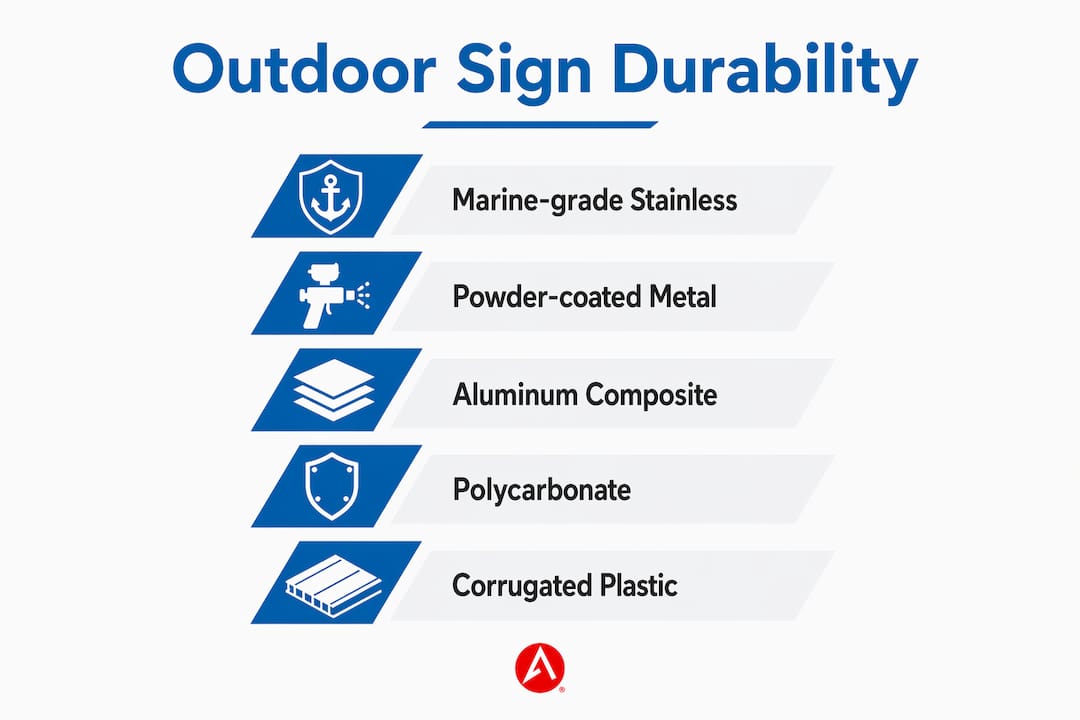
Aluminum composite material (ACM) is the workhorse of the outdoor sign industry. ACM lasts 7–10 years under significant wind loads and resists moisture far better than corrugated plastic. It is rigid, lightweight, and accepts high-quality print finishes. Most retail and commercial outdoor signs use ACM as the standard substrate.
Powder-coated metal and marine-grade stainless steel sit at the top of the durability range. Powder-coated and marine-grade metals offer rust-resistant surfaces lasting up to 15 years or more. Marine-grade stainless steel is the right call for coastal environments where salt air accelerates corrosion on lesser metals.
Polycarbonate is the preferred substrate when impact resistance matters. It handles physical abuse from debris and hail better than aluminum, though it requires UV-stabilized coatings to prevent yellowing over time.
Finishing techniques matter as much as the substrate itself. Lamination protects chemical integrity and vibrancy of printed signs, and matte lamination reduces glare while maintaining legibility in direct sunlight better than gloss options. UV overlaminates add a physical barrier between the printed surface and the atmosphere, slowing photodegradation significantly.
Pro Tip: Match your material to your climate. A business in Phoenix, Arizona needs UV-stabilized substrates and matte laminates above all else. A business in coastal Florida needs marine-grade metals and sealed edges to fight salt air and humidity simultaneously.
For a deeper look at how to pair materials with your specific outdoor environment, the outdoor sign options guide from Arrowhead Sign Company - Signs, Banners and Trade Show Displays covers substrate selection in practical detail.
How do you maintain weatherproof signs for maximum longevity?
Even the best weatherproof signage requires regular attention to reach its full lifespan. Maintenance is not complicated, but it must be consistent.
-
Clean signs every 1–3 months. Use mild soap and water with a soft cloth. Avoid abrasive cleaners that scratch laminates and expose the substrate to UV and moisture. Dirt and pollutants act as mild acids on some coatings over time.
-
Inspect seals and lamination edges after every major storm. Moisture intrusion almost always starts at the edges. If you see lifting laminate or discoloration near seams, address it immediately before water works its way deeper into the substrate.
-
Check mounting hardware twice a year. Loose fasteners allow signs to flex under wind, which accelerates structural fatigue. Tighten or replace corroded hardware before it fails. Non-waterproof signs degrade through fading, peeling, and corrosion, and hardware failure often accelerates all three.
-
Reposition signs that receive excessive direct sun. If a sign faces south in a high-UV region, consider adding a small overhang or relocating it to a position with afternoon shade. This single change can add years to the sign’s effective life.
-
Replace graphics before the substrate. Many business owners wait until a sign is structurally failing before updating it. Replacing printed graphics on a sound ACM or aluminum frame costs far less than replacing the entire sign, and it keeps your brand looking current.
Pro Tip: Keep a simple maintenance log for each outdoor sign. Record the installation date, material type, and cleaning dates. This makes it easy to spot patterns and schedule replacements before signs become an embarrassment rather than an asset.
The outdoor event signage best practices guide from Arrowhead Sign Company - Signs, Banners and Trade Show Displays covers installation and care tips that apply equally well to permanent outdoor signs.
What business benefits does weather resistant signage deliver?
Durable outdoor signage is a direct investment in brand credibility and customer acquisition. The financial and reputational case for weatherproof signs is clear.
68% of shoppers judge store quality by the condition of a business’s sign, according to a FedEx Office survey. A faded, peeling sign does not just look bad. It actively signals to potential customers that the business does not care about quality. That perception costs you foot traffic and sales before anyone walks through the door.
The cost savings from longer sign life are equally significant. A business that replaces corrugated plastic signs every season spends far more over five years than one that invests in ACM or aluminum upfront. Professional-grade materials that last 10–15 years reduce replacement and maintenance costs dramatically over that same period.
Year-round visibility is another concrete advantage. Weatherproof signs stay legible and attractive through rain, heat, and cold. Your brand message reaches customers consistently, not just during mild weather. That consistency builds recognition and trust over time.
Digital weatherproof signage adds another dimension to this picture. Heat above 104°F damages outdoor LED signage more than water does, and effective thermal management is as critical as waterproofing for LED signs. Businesses investing in digital outdoor displays need to specify active cooling and heat sink design, not just an IP weather rating.
The finishes guide for custom printed banners from Arrowhead Sign Company - Signs, Banners and Trade Show Displays explains how the right finish choices protect your brand investment across all outdoor conditions.
Key Takeaways
Weather resistant signs protect your brand investment by combining the right substrate, finish, and maintenance routine to deliver consistent visibility for 10–15 years or more.
| Point | Details |
|---|---|
| Material determines lifespan | ACM lasts 7–10 years; marine-grade stainless steel lasts 15 or more years outdoors. |
| UV is the primary threat | Photodegradation fades pigments chemically; UV overlaminates and stabilizers slow the process. |
| Maintenance extends sign life | Clean every 1–3 months and inspect seals after storms to prevent moisture intrusion. |
| Sign condition affects sales | 68% of shoppers judge business quality by sign condition, making durability a brand issue. |
| Climate drives material choice | Match substrate and finish to your specific environment: UV load, humidity, wind, and salt air. |
Why I think most businesses underestimate their sign investment
The most common mistake I see is treating outdoor signs as a commodity purchase. Business owners compare price tags without comparing material specs, and they end up replacing a cheap sign every two years instead of buying a quality one that lasts a decade.
The chemistry of photodegradation is not something you can negotiate away with a lower price. UV radiation will break down organic pigments regardless of what the sign cost. The only variable you control is how long that process takes, and that is entirely determined by the substrate and finish you choose upfront.
I have also seen businesses in hot climates install digital LED signs with waterproof ratings but no thermal management. The sign survives the rain but fails in july because heat above 104°F destroys LED components faster than any moisture ever would. Weatherproofing and heat management are two separate engineering problems, and you need to solve both.
My honest advice: treat your outdoor sign budget the way you treat your marketing budget. A sign that looks sharp for ten years generates brand impressions every single day. A cheap sign that fades in two years costs you twice in replacement fees and once more in lost customer trust. Partner with a provider like Arrowhead Sign Company - Signs, Banners and Trade Show Displays that understands material science and can match the right product to your specific outdoor environment.
— Dan
Arrowhead Sign Company has the right outdoor signage for your brand
Your outdoor sign works every hour of every day, in every weather condition your location throws at it. Arrowhead Sign Company - Signs, Banners and Trade Show Displays offers a range of durable outdoor signage products built to maintain your brand’s visibility through heat, rain, and wind.
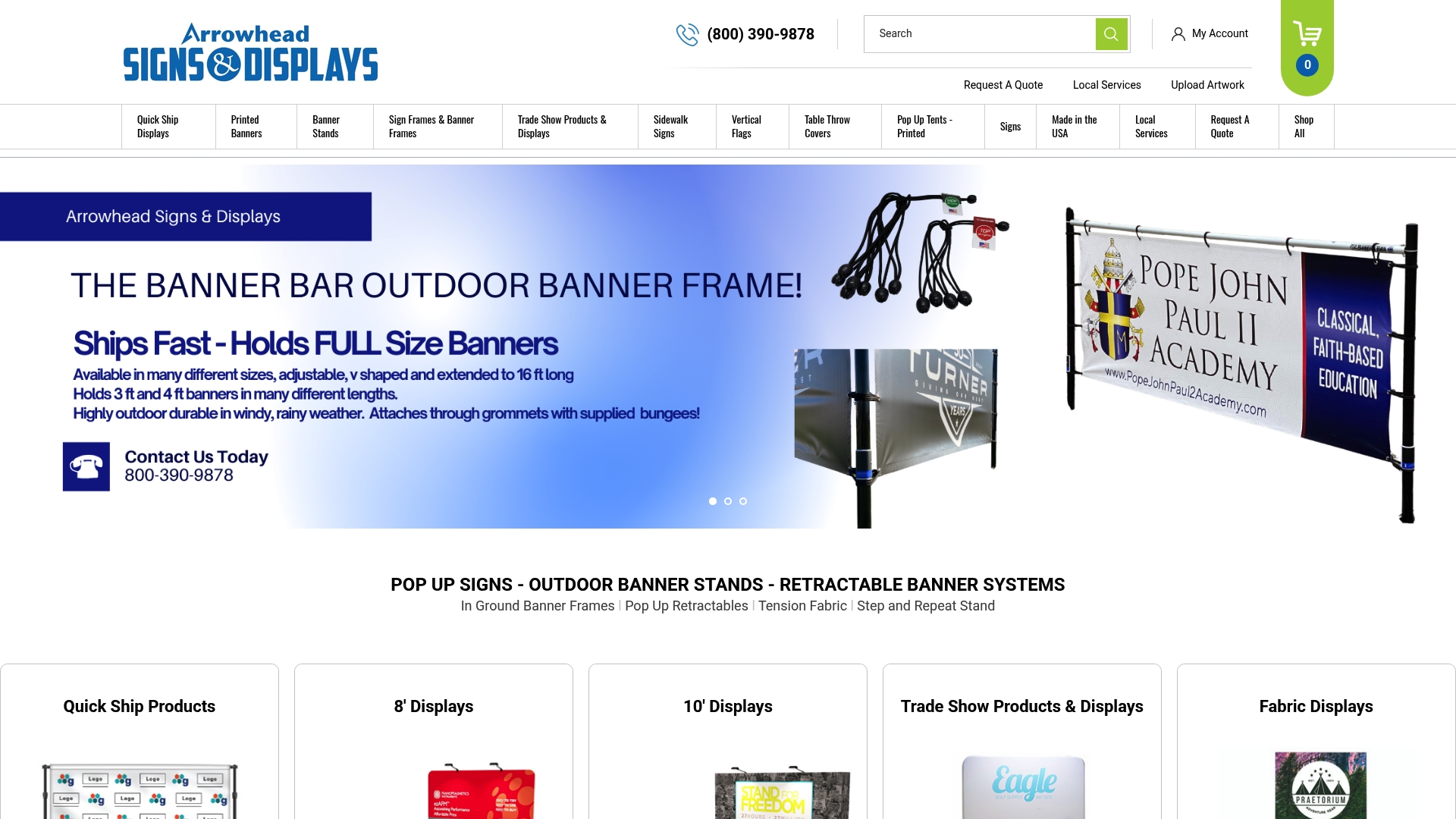
The Signicade Deluxe A-Frame sidewalk sign is a proven choice for businesses that need portable, weather-ready outdoor advertising with two prints included. For banner-based outdoor displays, the adjustable outdoor banner frame handles 6 ft and 8 ft banners and is built to hold up in outdoor conditions. Most products ship within two business days, and Arrowhead Sign Company - Signs, Banners and Trade Show Displays provides direct delivery to venues across Arizona. Contact the team to find the right weatherproof solution for your brand.
FAQ
What makes a sign weather resistant?
A weather resistant sign uses substrates like aluminum, ACM, or marine-grade stainless steel combined with UV-stabilized inks and protective laminates to resist fading, moisture, and structural damage outdoors.
How long do outdoor signs typically last?
Standard outdoor signs last 5–8 years before UV and environmental damage require replacement. Professional-grade materials like ACM and powder-coated aluminum extend that lifespan to 10–15 years or more.
Which material is best for coastal outdoor signs?
Marine-grade stainless steel is the best material for coastal environments. It resists salt air corrosion and lasts 15 or more years where lesser metals would corrode within a few seasons.
Does lamination really protect outdoor signs?
Yes. Lamination protects the chemical integrity and color vibrancy of printed signs, and matte lamination specifically reduces glare to maintain legibility in direct sunlight better than gloss finishes.
How often should outdoor signs be cleaned and inspected?
Clean outdoor signs every 1–3 months with mild soap and water, and inspect seals and lamination edges after every major storm to catch moisture intrusion before it causes deeper damage.